
Article
The History of Tattoo Aftercare: From Soot and Seal Oil to Modern Standards
Tattoo aftercare wasn't always plastic wrap and unscented lotion. Here's how it evolved, and what professional standards look like today.
May 20, 2026
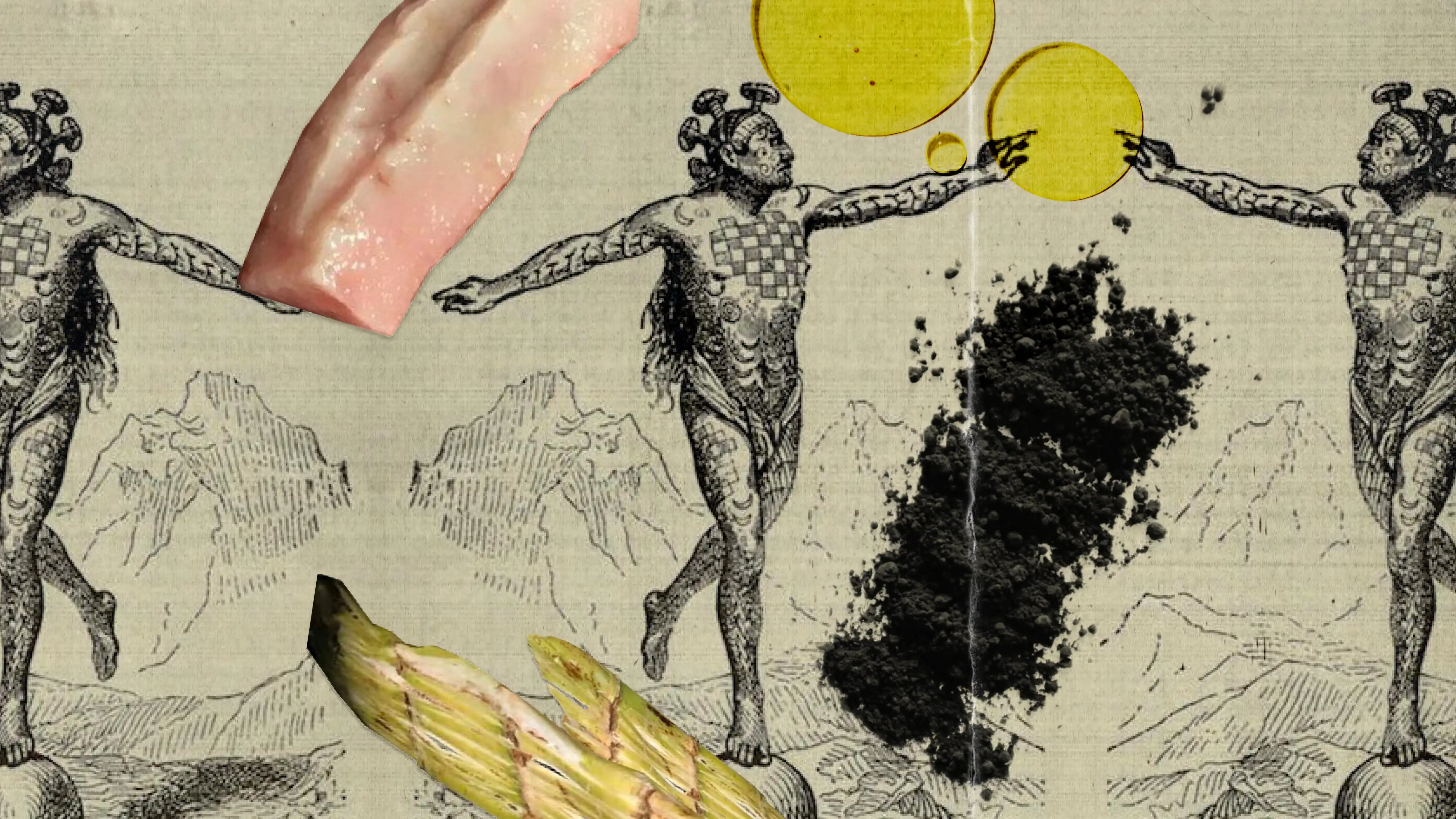
Aftercare is one of the most-asked questions in any tattoo shop. What lotion? What soap? How long to keep the wrap on? Is it normal that it itches?
For most of recent tattoo history in the West, nobody had a clean answer.
The careful aftercare regimen Artists hand out today took the better part of a century to develop. And the principle behind it is older than that. Much older.
This is how aftercare evolved, where the standards actually came from, and why the modern era has been a slow walk back toward what already worked.
Timeline at a Glance
- Ancient and Indigenous: c. 3000 BCE to today. Soot, plant oils, seal oil, dry healing.
- Improvised Western: 1850s to 1940s. Alcohol, animal fat, air-drying.
- Petroleum era: 1859 to today. Vaseline (1859), Aquaphor (1925), A&D Ointment (1930s).
- Green Soap and Dettol: 1800s and 1933 onward. Procedural cleaners, not aftercare.
- Dial soap era: 1948 onward. Antibacterial bar soap as default aftercare.
- Saran wrap era: 1960s to 2000s. Kitchen-grade plastic wrap as occlusive bandage.
- Medical-grade bandage era: Tegaderm 1981, Saniderm 2014. Transparent, breathable, waterproof second-skin.
- Modern protocol: 2010s to today. Moist wound healing, plant-derived ingredients.
Eras overlap. Petroleum jelly was widespread throughout the 20th century alongside Dial soap and saran wrap. The dates mark when each became significant, not when others stopped.
At Least 5,000 Years Old
c. 3000 BCE to today
Long before commercial tattoo shops existed, aftercare existed. Different cultures developed different methods, but the underlying need was the same: protect the work, let the body heal.
In many traditions, aftercare properties were built directly into the tattooing process itself:
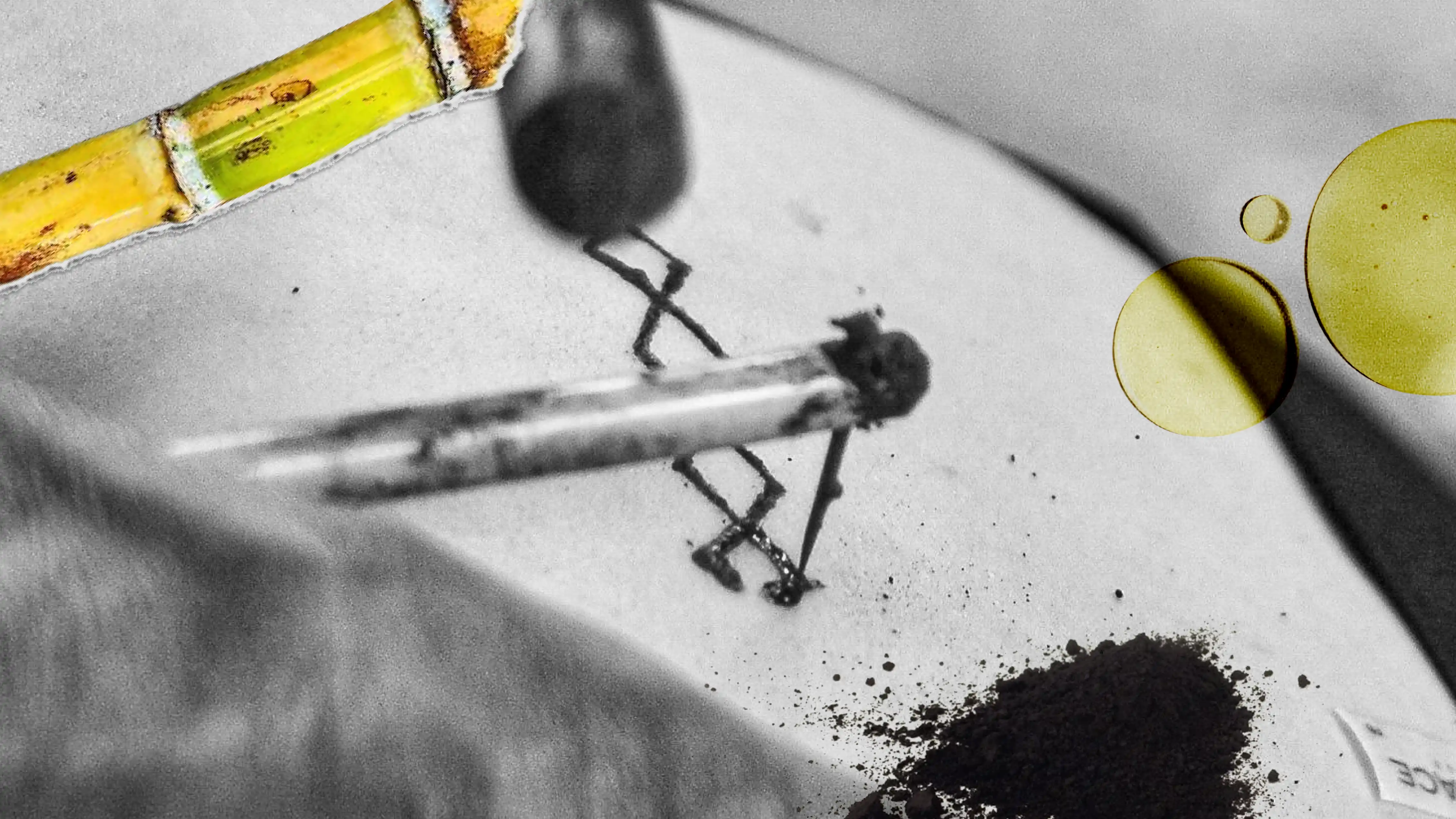
- Polynesian Artists used soot from burnt candlenuts mixed with sugar cane juice. Both have natural antibacterial properties.
- Inuit Artists worked with pigments incorporating seal oil and ammonia-rich compounds historically used as antimicrobials.
- A 1,000-year-old Peruvian mummy studied by researcher Maria Anna Pabst bore tattoos made from partially burnt plant material rather than common soot, suggesting the ink itself may have carried medicinal intent.
- Maori Artists still practice dry healing today, treating tattoos as wounds the body can resolve on its own with minimal interference.
Beyond the ink, animal fats and plant oils served widely as post-application treatments. Olive oil, rendered fish oils, and tallow provided moisture and a protective barrier over healing skin. Freshly burned charcoal, used in many ancient pigments, is initially sterile and has mild antibacterial properties.
The evidence is in the mummies. Egyptian, Peruvian, Siberian, and Philippine mummies show tattoos that healed cleanly, with little scarring around the work. These cultures figured out aftercare long before the modern industry started.
That doesn't mean infection wasn't real. Even today, with sterile equipment and antibiotics, up to 5% of professional tattoos develop some level of infection. Ancient rates were almost certainly higher. The principle behind early aftercare was sound. The execution didn't always match. But the surviving evidence shows that, more often than not, the practices worked.
The Principle: Keep It Clean, Let the Body Do the Rest
The thread that connects ancient aftercare to today's best practices is a single principle: keep it clean, let the body do the rest.
Polynesian soot. Inuit seal oil. Maori dry healing. They're all different expressions of the same idea. Limit contamination, support the body's own healing process, and stay out of the way.
The Western commercial tattoo industry largely forgot this for several decades. The modern era has been a slow walk back toward it. Current best practice represents both a scientific advance and a return to the plant-based approaches that ancient tattooing cultures employed for millennia.
The Improvised Era: 19th and Early 20th Century Western Parlors
1850s to 1940s
As commercial tattooing expanded in Western port cities in the 1800s and early 1900s, most of the accumulated plant-based knowledge was lost. Aftercare in early Western parlors was largely improvised: alcohol for disinfection, animal fat for moisture, or simply air-drying.
This was the era when tattoo aftercare in the commercial Western tradition became disconnected from the deeper traditions that came before it. The tattoo industry as we know it today was being built. The healing wisdom that had carried tattooing for millennia mostly didn't make the trip.
The Petroleum Jelly Era
1859 to today
Petroleum jelly, patented by Robert Chesebrough in 1859 as Vaseline, eventually became the dominant tattoo aftercare approach throughout most of the 20th century. By the 1970s and 1980s, A&D ointment was a default in many shops, and Aquaphor followed in the 1990s and 2000s.
Petroleum jelly created a barrier that locked moisture in and kept dirt out. Compared to letting a tattoo air-dry and crust over, it was a major improvement.
But it had real limitations. Subsequent dermatological research identified the problems: high occlusivity inhibits the airflow required for optimal wound healing, and petroleum jelly provides no active moisturization. Heavy application could also pull ink out of the skin and trap bacteria. Artists refined the protocol to thin layers, two to three times a day, for the first week.
Today, many professional Artists are moving away from petroleum-based ointments toward less occlusive options. Aquaphor is still in plenty of aftercare instructions, but it's no longer the universal default it once was.
This era is also when written aftercare instructions became standard. Artists started handing out printed sheets when Clients left. The information varied by shop, but the framework was set: clean it, moisturize it, leave it alone.
The Green Soap and Dettol Era
1800s and 1933 onward
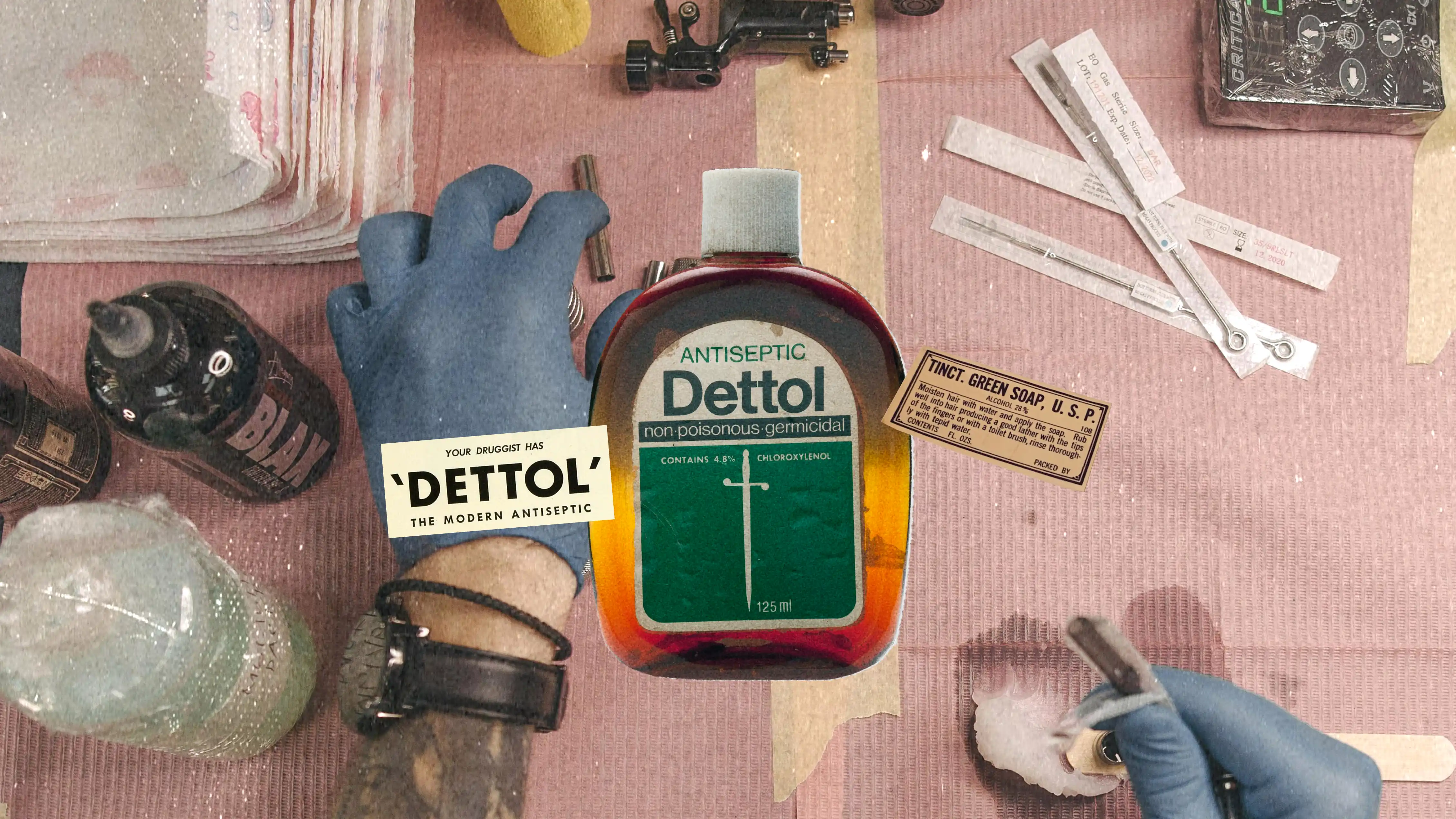
Alongside Dial Gold, two other products became fixtures in tattoo shops: green soap and Dettol.
Green soap is a vegetable-oil-based liquid soap that's been in medical use since the 1800s. Tattoo shops used it diluted as a skin cleaner before and during tattooing, often in spray bottles.
Dettol is a disinfectant, chloroxylenol-based, widely used in the UK and globally. Like green soap, it served as a cleaning agent during the tattoo, not as aftercare.
This distinction matters. Green soap and Dettol were cleaners, not aftercare. They prepared the skin, kept the workspace sanitary, and disinfected during the session. They weren't meant to be applied to a healing tattoo.
But the line blurred. Some Artists recommended green soap for at-home washing. Some Clients used Dettol in ways it wasn't intended for. The result was Artists and Clients sometimes confusing disinfection (a procedural step during the tattoo) with aftercare (a healing practice afterward). The two are not the same.
The Dial Gold Era
1948 onward
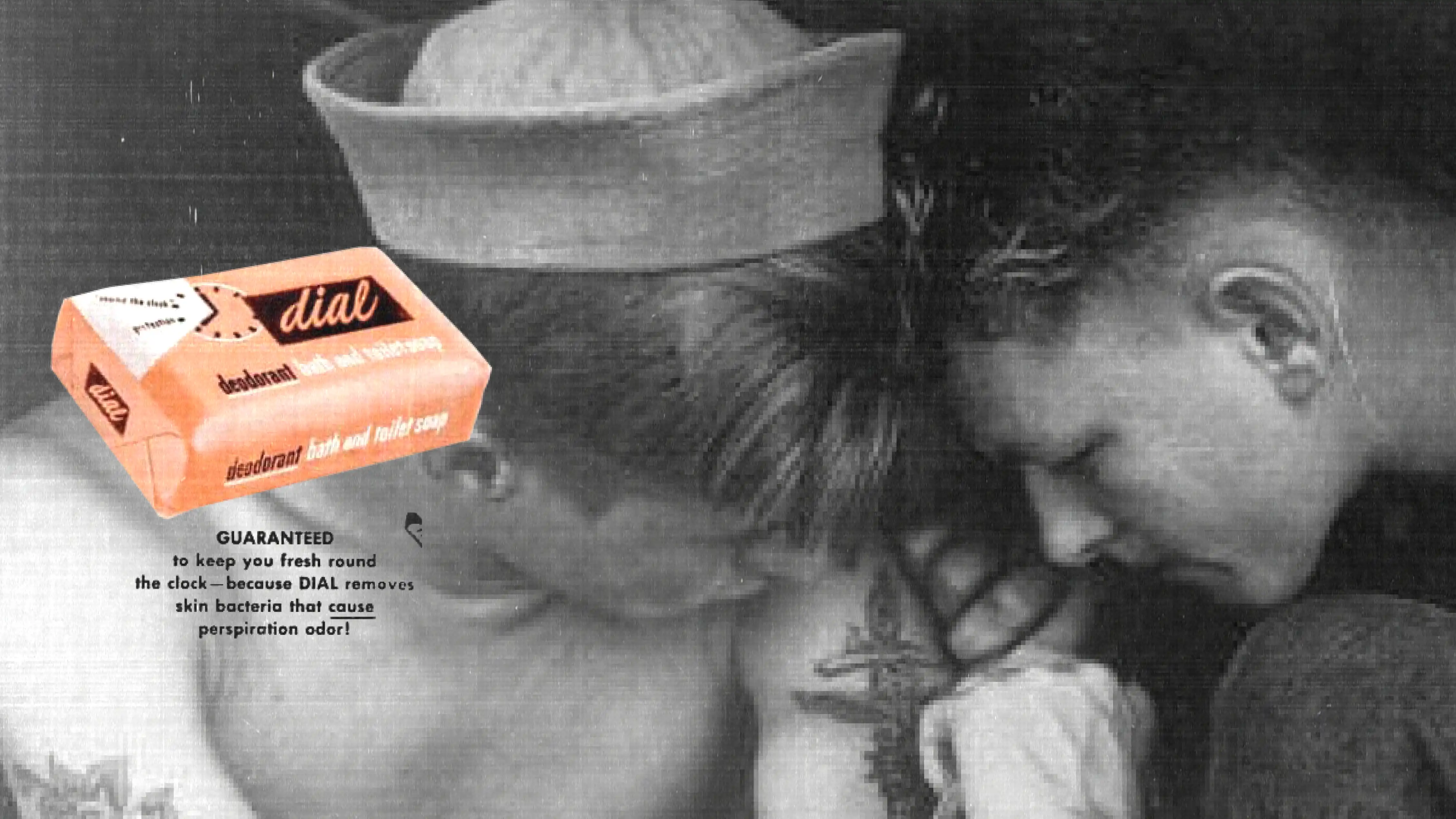
By the mid-1900s, commercial tattoo shops in the West were a real industry. Most Artists were ex-military or sailors, working in port-town shops. Aftercare became more standardized, partly because military hygiene standards forced it.
The default product was Dial Gold antibacterial soap. For decades, this was the aftercare recommendation passed from mentor to apprentice across generations.
The protocol was simple:
- Wash the tattoo with Dial Gold and water
- Pat it dry
- Leave it alone
Dial Gold wasn't wrong, exactly. It was clean, accessible, and consistent. But it was also more cleaner than aftercare regimen, and the limits showed up in how tattoos from this era often look today: soft, faded, sometimes blurred. Not because the work was bad. Because the healing was rough.
The Saran Wrap Era
1960s to 2000s
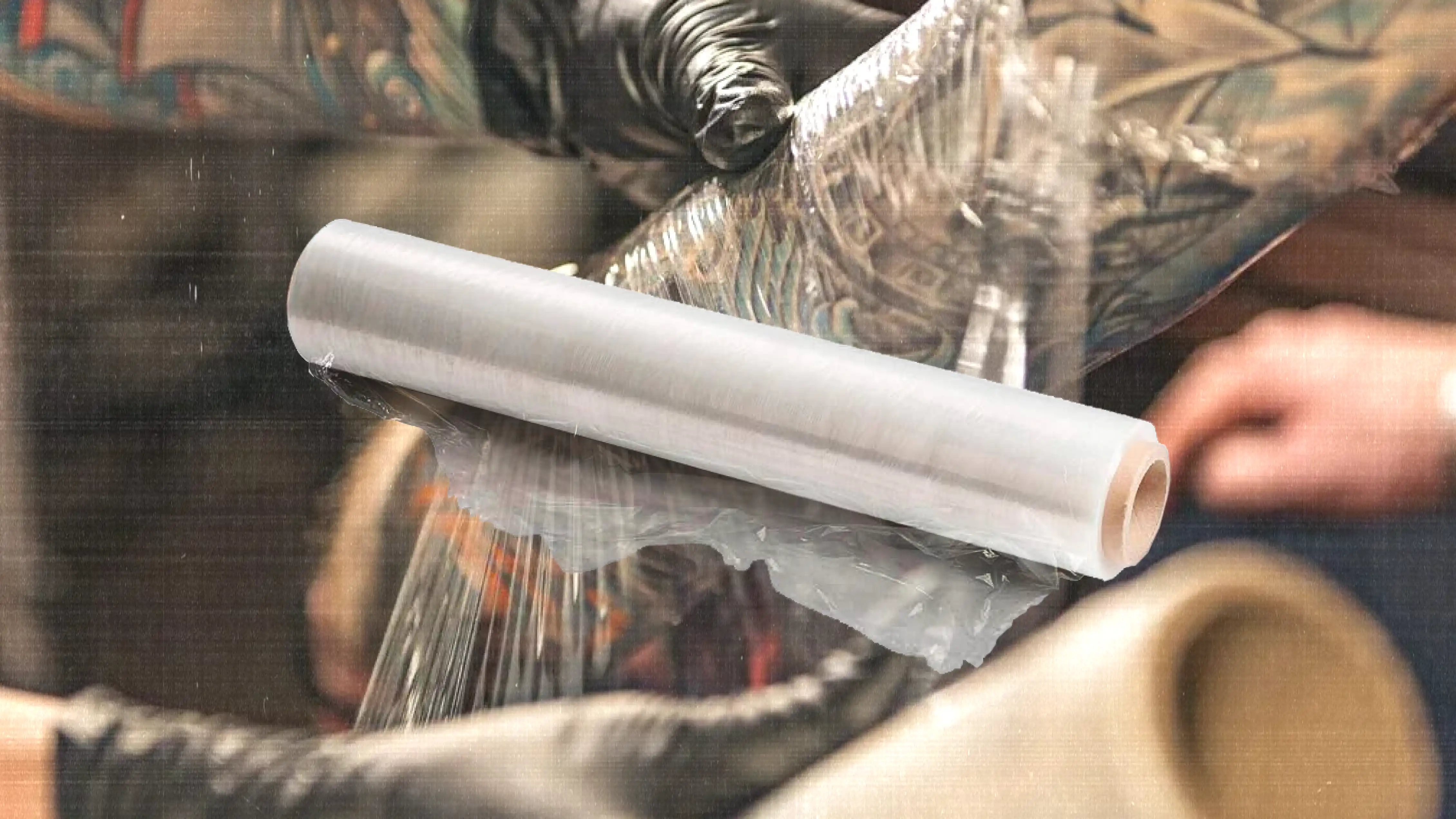
The first widely-used occlusive bandage in tattooing was kitchen-grade saran wrap.
The logic was sound: cover the fresh tattoo, protect it from contamination, keep the moisture in. For decades, walking out of a tattoo shop with a sheet of saran wrap taped over your new tattoo was the norm.
The problem was also predictable. Saran wrap kept the ink in, but it also kept everything else in: sweat, bacteria, plasma. Without breathability, the area could turn into an incubator.
Most Artists eventually shifted to removing the saran wrap within a few hours of the tattoo, washing the area, and switching to a different protocol from there. Some Artists still use saran wrap today, particularly for Clients with allergies to medical-grade adhesives or for shorter post-tattoo windows.
The Saniderm and Tegaderm Era
1981 and 2014
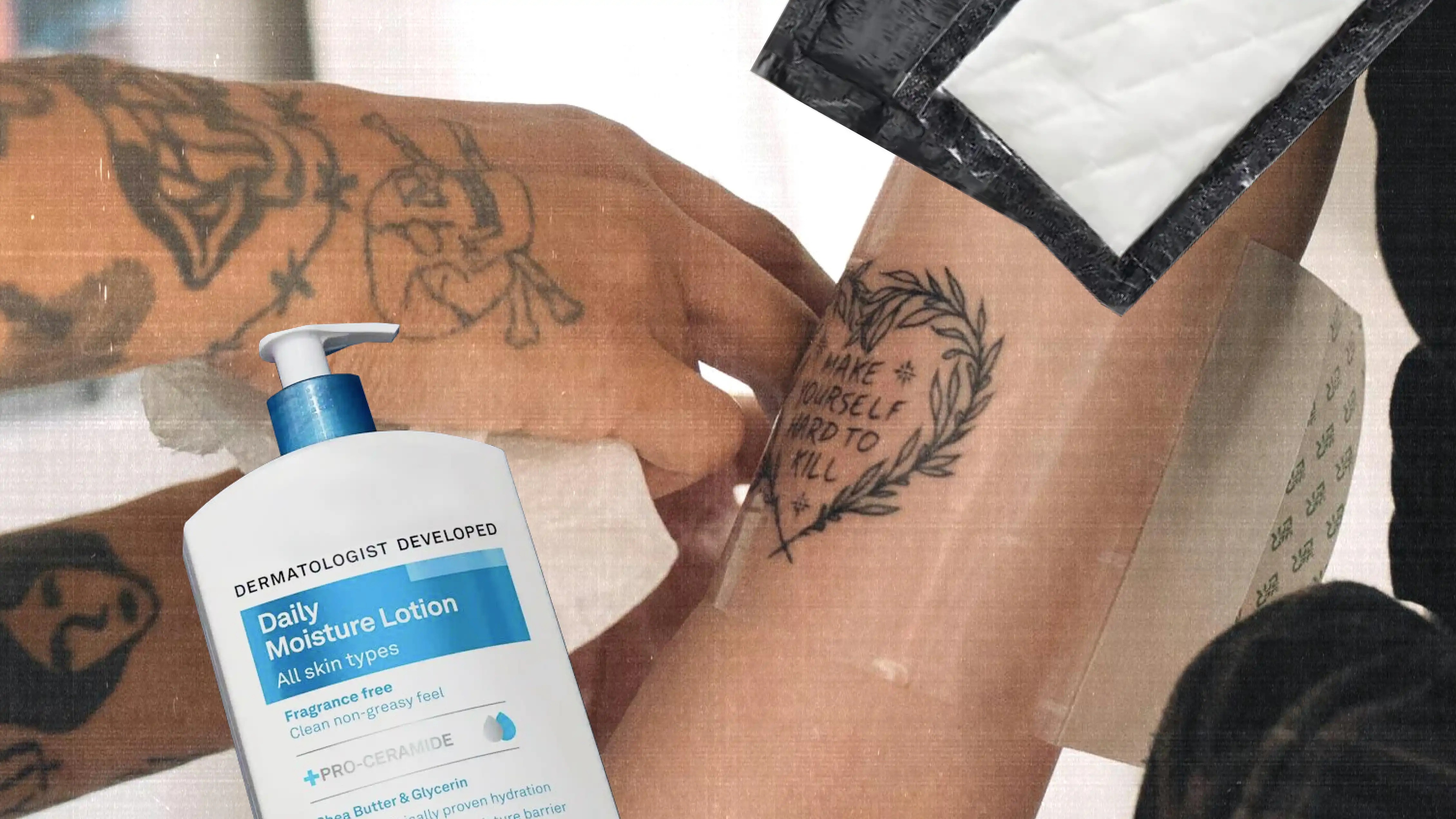
In the 2000s, medical-grade adhesive bandages started showing up in tattoo shops. Originally developed for burn victims and surgical wounds, products like Saniderm and Tegaderm offered something the previous generations of aftercare didn't: a transparent, breathable, waterproof barrier that could stay on the tattoo for days at a time.
For Artists and Clients, this was a step change. The bandage protected the tattoo from contamination, kept the area moisturized in the body's own plasma, and removed most of the "did I do this right?" anxiety from the first week of healing.
Today, second-skin bandages are the standard at most professional shops. They're not the only option, but they're the one most Artists default to.
What Modern Aftercare Actually Looks Like
2010s to today
Contemporary aftercare is grounded in moist wound healing principles. This is a well-established dermatological finding that wounds heal faster and with less scarring when kept appropriately moist rather than dry. Modern purpose-formulated aftercare products increasingly incorporate plant-derived ingredients with documented skin benefits: castor seed oil, shea butter, jojoba oil, calendula, aloe vera, and vitamin E.
The current professional standard is:
- Second-skin bandage for the first three to seven days, depending on the Artist's preference
- After bandage removal, gentle unscented soap and water, twice daily
- Light application of unscented lotion or a specific tattoo aftercare product
- Dri-loc pads or breathable alternatives for Clients with adhesive sensitivities
- No soaking, no direct sun, no gym for two to four weeks
What's different now isn't just the products. It's the level of agreement. Most professional Artists today recommend roughly the same protocol, with small variations. That wasn't true even 20 years ago.
And the protocol itself echoes what indigenous practitioners figured out millennia ago: keep it clean, let the body do the rest. The materials got better. The principle didn't change.
Where Aftercare Advice Still Varies, and Why
There's still no single authority on tattoo aftercare. The FDA doesn't regulate it. Aftercare products are sold as cosmetics, not medical devices. Different Artists recommend different things, and they're often both right.
The variation isn't a sign of disagreement. It's a sign that aftercare depends on:
- The specific tattoo (size, placement, style, ink density)
- The Client's skin
- The climate (humid climates and dry climates need different routines)
- The Artist's healing observations over years of work
Generic care sheets are a starting point. The actual aftercare a tattoo needs comes from the Artist who did it.
How CO:CREATE Artists Handle Aftercare
On CO:CREATE, aftercare conversations happen directly between Artist and Client. Artists send specific care instructions through their Profile, tied to the work they just did, on the platform they already use to book.
That's the modern version of the printed sheet that started in the 70s, the dry-healing wisdom that's millennia old, and the Artist authority that's always been the actual point.
Sign up at cocreate.ink to find an Artist who handles aftercare the way you actually need it handled.

Made with tattoo Artists, for tattoo Artists. Run your business your way. Clients find you and book you, no middleman.


Made with tattoo Artists, for tattoo Artists. Run your business your way. Clients find you and book you, no middleman.