
Article
The Tattoo Blackbook: What It Actually Is (And What Tattoo Artists Really Carried)
You've probably heard "blackbook" used to mean a tattoo Artist's portfolio. The term actually comes from somewhere else. Here's the real history.
May 25, 2026
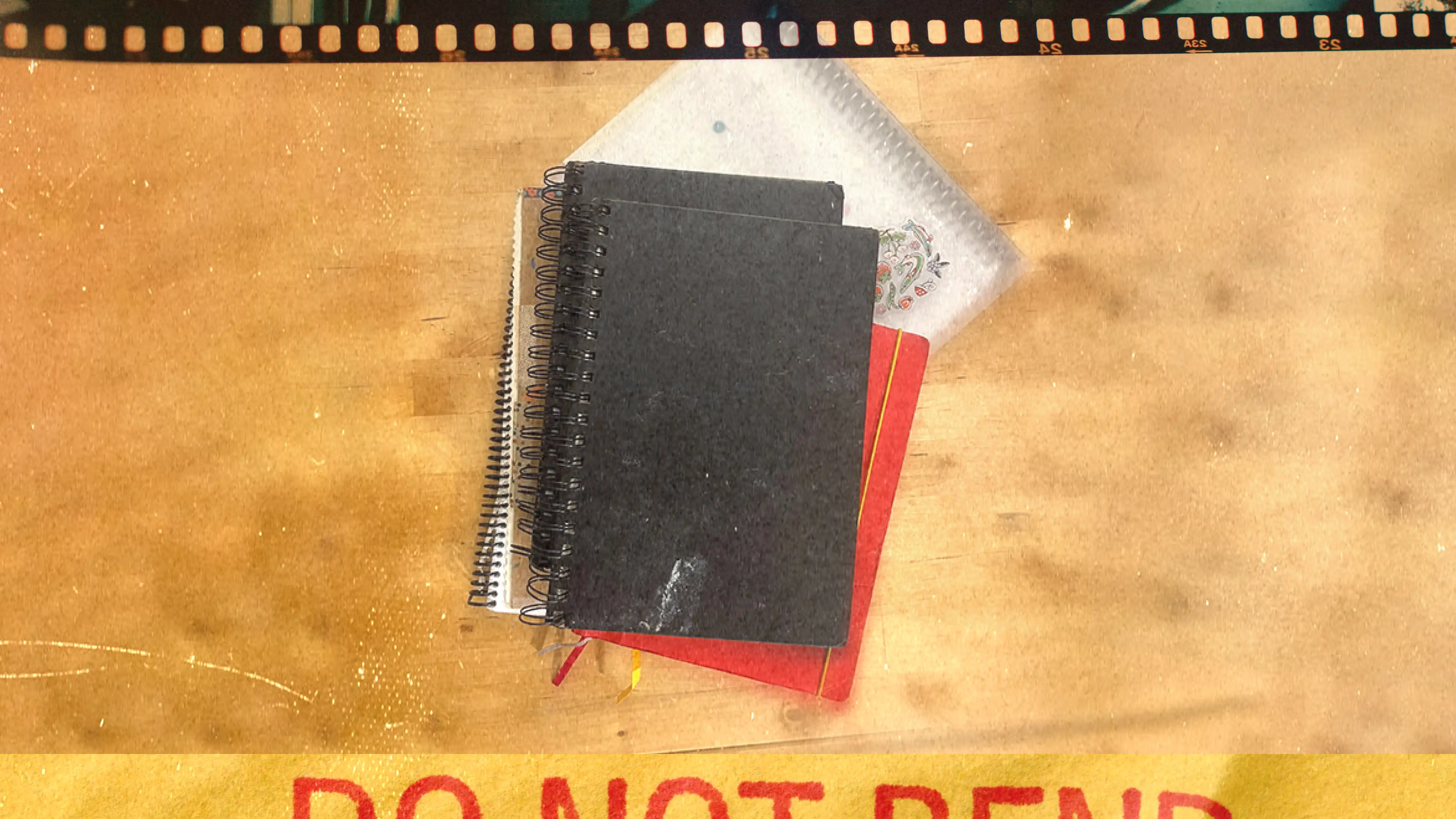
If you've spent any time around tattooing, you've probably heard the word "blackbook." Usually it's used to mean an Artist's portfolio. The leather-bound thing carried around for years, the book of photos and references that made the rounds at conventions.
Here's the thing: that's not quite right.
Ask a few working Artists about their blackbooks and most of them will say the same thing: they didn't have one. They had portfolios. Photo books. Flash books. But not blackbooks. The word itself comes from somewhere else.
This is the actual history.
Where the Term "Blackbook" Comes From
The blackbook is a graffiti tradition, not a tattoo one.
In graffiti culture going back to the 1980s, a blackbook is a personal sketchbook that writers carry around. Other writers draw inside it, sign it, leave tags. Asking to write in someone's blackbook is a real ask. Getting a signed page from a respected writer is a credential. The book itself becomes a record of who you've crossed paths with in the scene.
The tradition reaches back further than graffiti. A 16th-century manuscript called the *liber amicorum*, Latin for "book of friends," is the same idea: a blank book passed from hand to hand, filled with signatures, drawings, and personal contributions from people in your circle. The Getty Research Institute traced this lineage directly when they invited 151 graffiti and tattoo artists to produce *LA Liber Amicorum* in 2013, the project commonly referred to as the Getty Black Book.
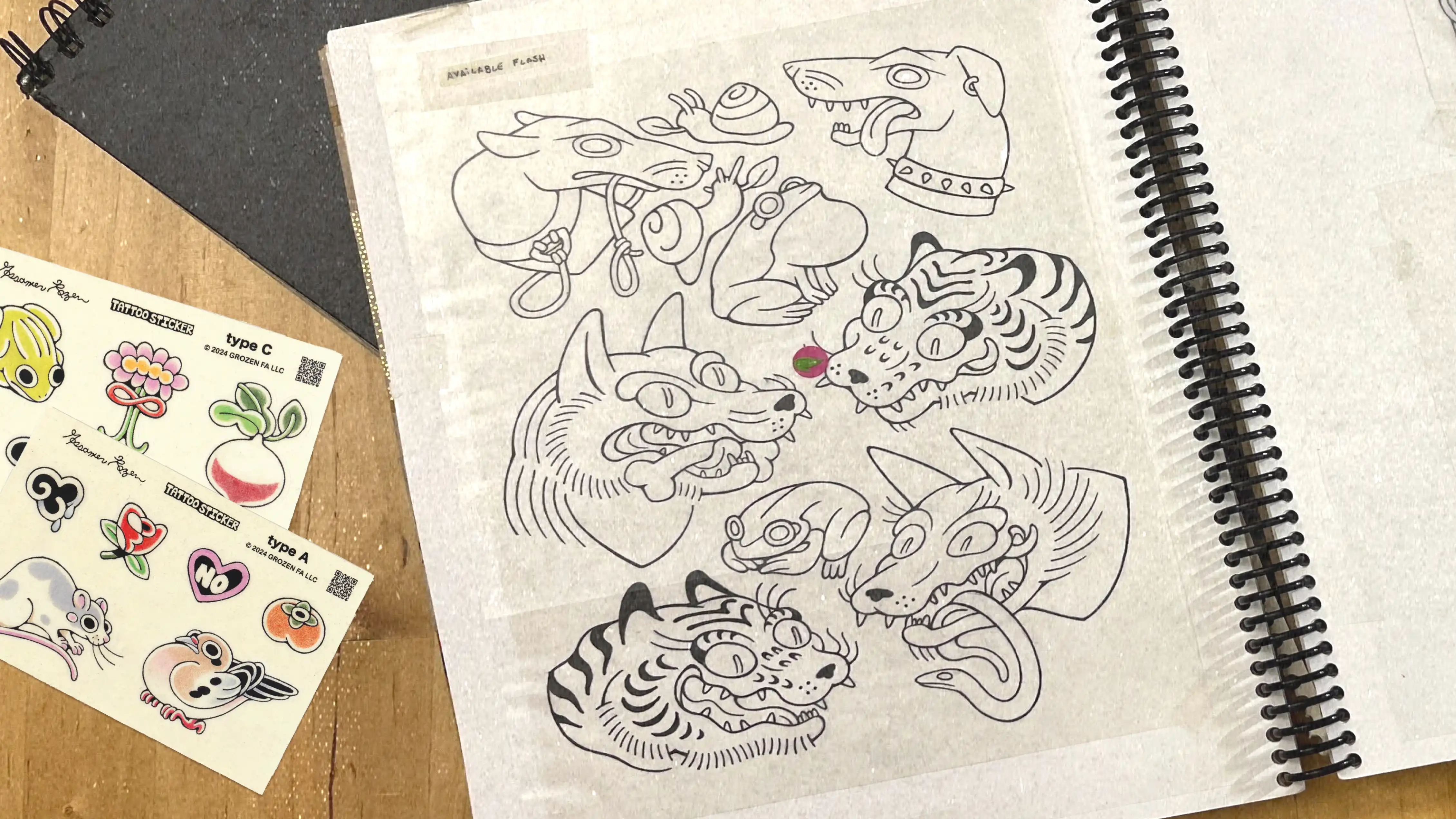
Some tattoo Artists do keep blackbooks. Chris Garver has filled sketchbooks for over twenty-five years, and Tribal Publishing put out a book of selected pages from them. But Garver came up around a lot of graffiti and illustration culture. For most working tattooers, the equivalent object wasn't a blackbook. It was a portfolio.
What Tattoo Artists Actually Carried
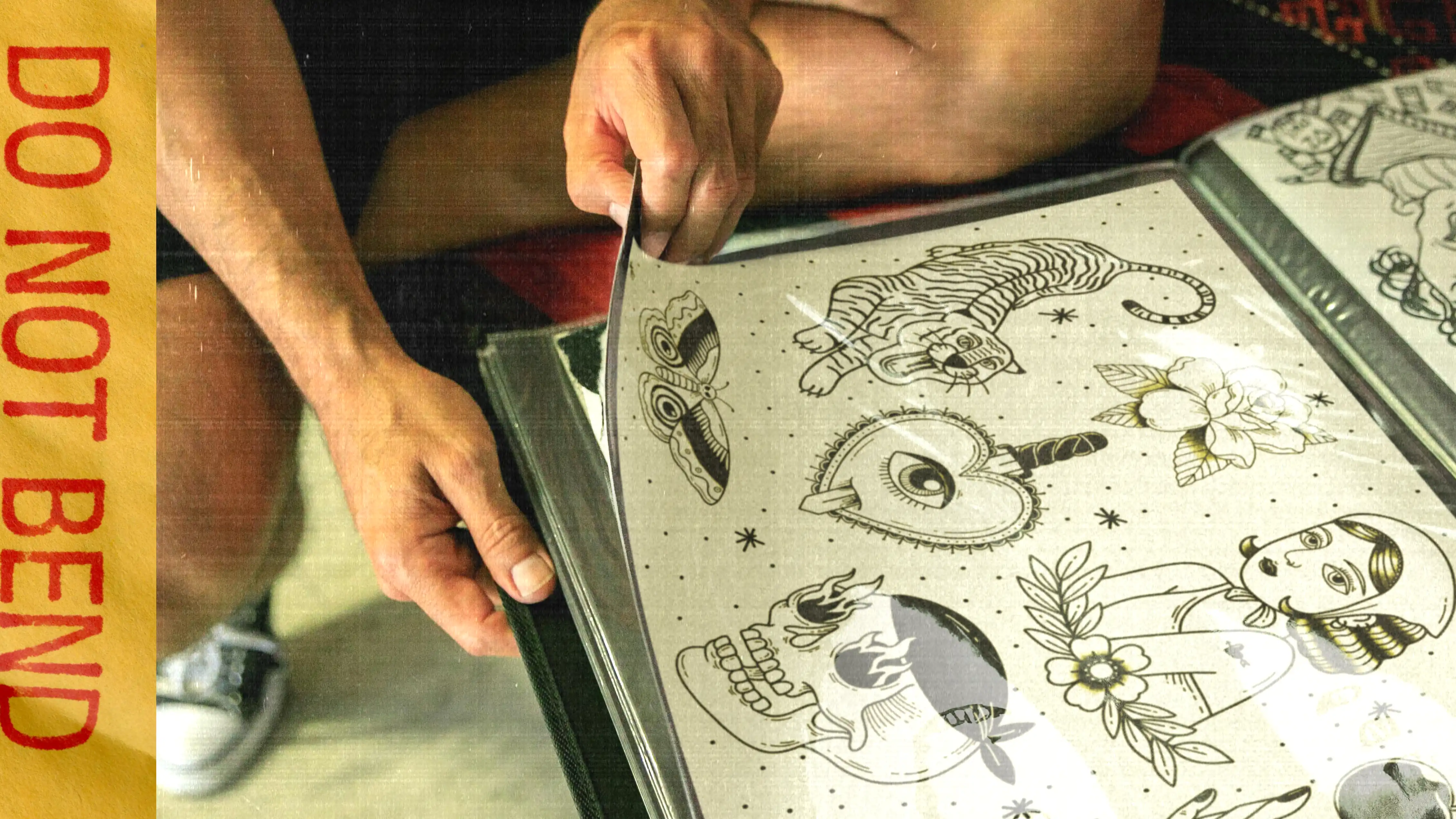
For most of tattoo history, an Artist's portfolio was a physical object. A photo book, usually leather-bound, filled with prints of healed work. You could hold it. You could lose it. You could leave it on a bar in Vegas and never see it again.
The portfolio's job was simple: show Clients what you could do.

Before digital cameras were affordable, Artists shot on film. You hoped the lighting was decent. You waited a week for the photos to develop. Then you updated the portfolio, page by page. The book sitting at the front of the shop on Friday might not have the tattoo you finished on Wednesday for another week.
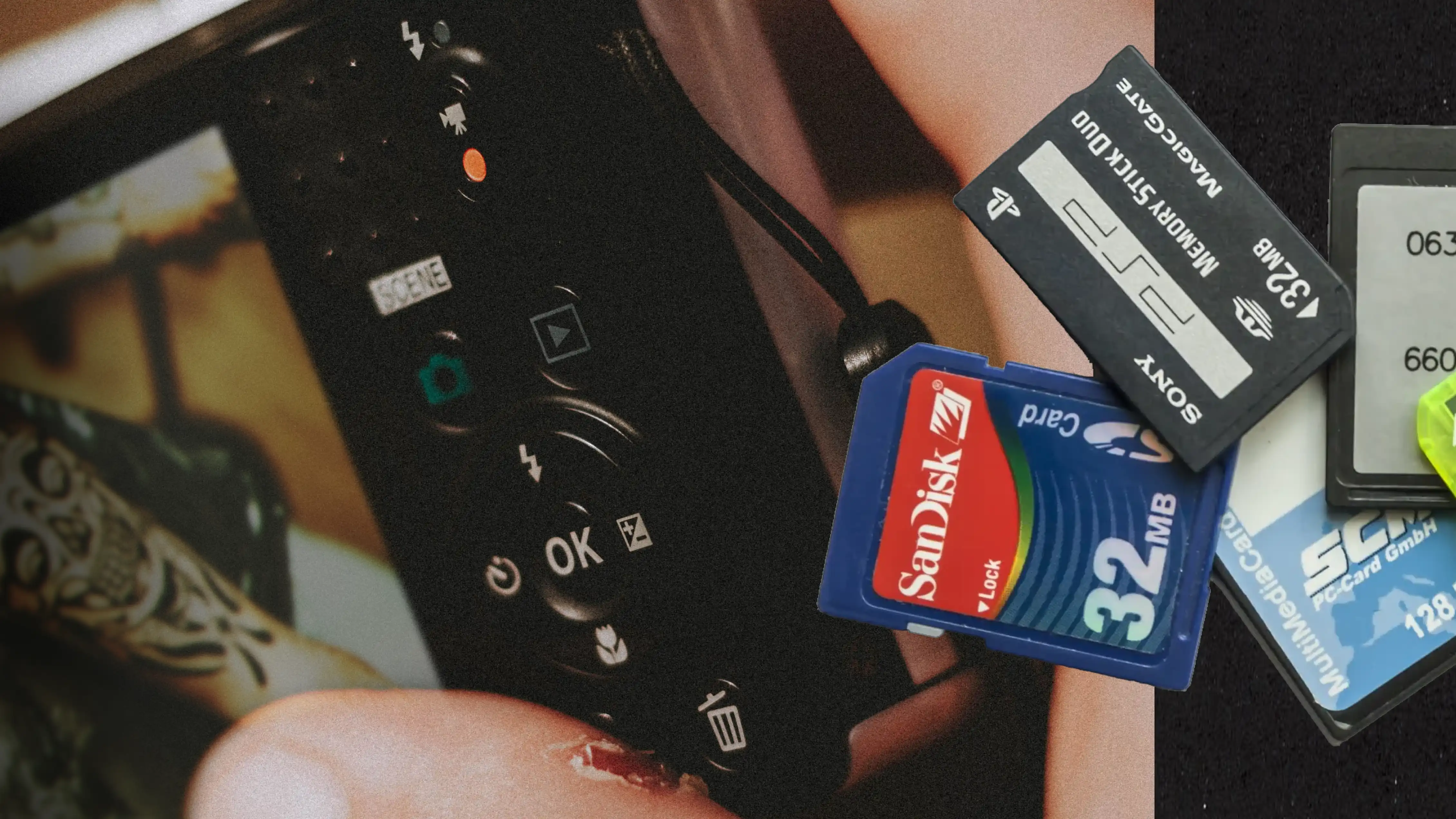
When affordable digital cameras arrived in the late 90s and 2000s, the workflow changed overnight. Artists could check the shot before the Client walked out. The memory card went to Walgreens for one-hour prints. Portfolios stayed current for the first time ever.
How Portfolios Got Used
Portfolios lived at the front of the shop. Walk-ins browsed each Artist's book and decided who they wanted to sit with. If you were a working Artist, your portfolio was the most important piece of marketing material you had.
For guest spots, the workflow was even more analog. Artists would literally mail a physical copy of their portfolio to the hosting shop ahead of a visit, so Clients there could preview the work and book before the Artist had even arrived.
Other Artists got involved too, though usually informally. Portfolios were primarily a Client-facing tool, but at guest spots and conventions, visiting Artists tended to flip through each other's books while getting to know each other's work.
The closest equivalent inside tattooing to graffiti's blackbook tradition is probably split sheet flash, where one Artist starts a sheet of designs and passes it to the next Artist to add their own, and so on until the sheet is full. That's a real tattoo collaboration practice. The blackbook, in the graffiti sense, mostly isn't.
The Instagram Shift
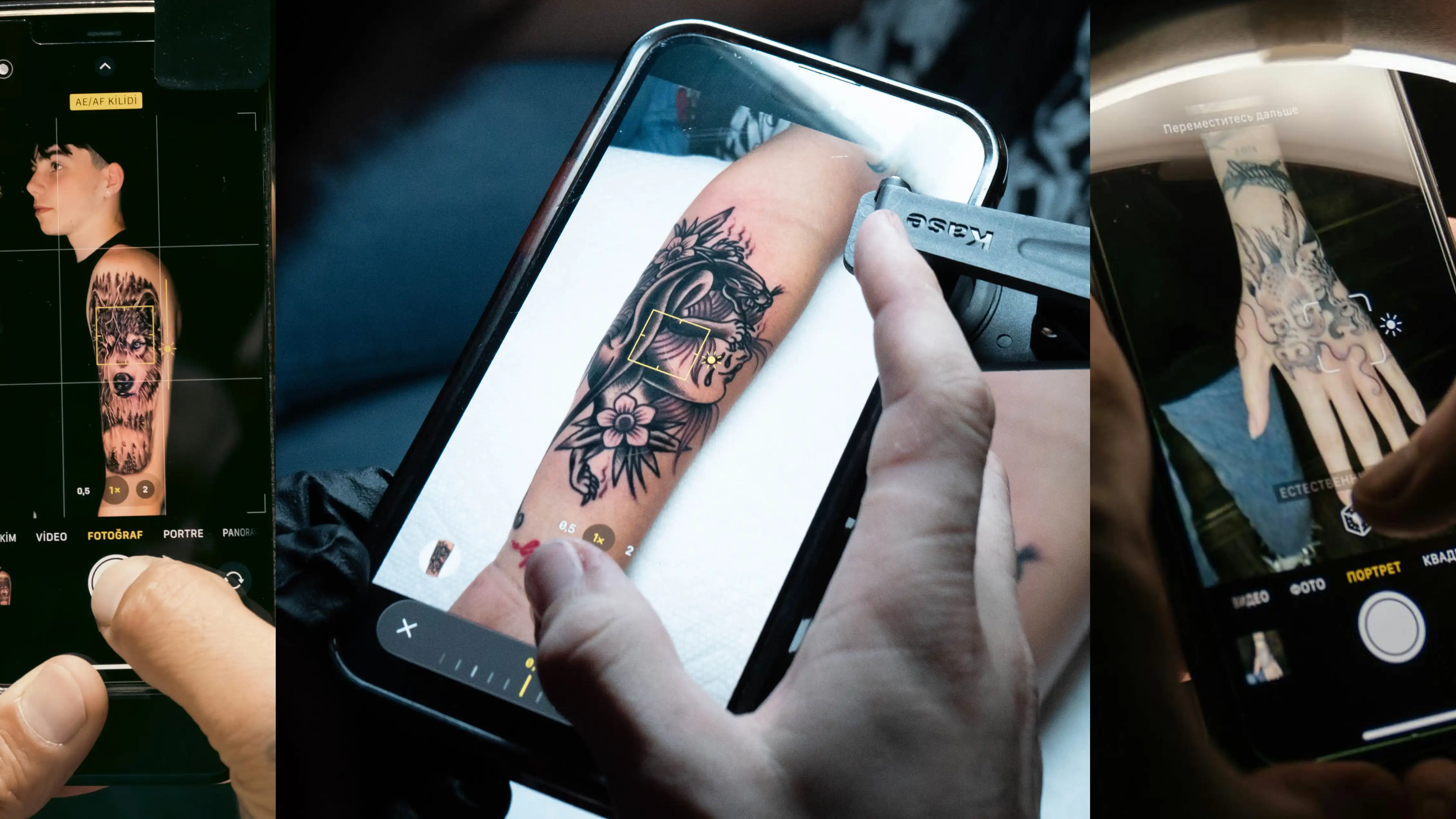
Starting in the 2010s, Instagram replaced the physical portfolio as the primary way Artists showed their work. The photo gallery moved from a leather book on a coffee table to a feed on a phone.
This was good in some ways. Tattoos could be seen by more people. Healed photos went up immediately. The lost-portfolio problem mostly disappeared.
Some things got lost in the shift:
- The curation. A portfolio was edited. Instagram is a feed.
- The intent. A portfolio was for serious viewing. Instagram is for scrolling.
- The hand-off. A guest spot used to mean shipping a physical book ahead of you. Now it means a post and a tag.
The platforms kept changing. MySpace, Facebook, Instagram, TikTok. The job the portfolio did stayed the same. The medium kept moving.
The Portfolio Now
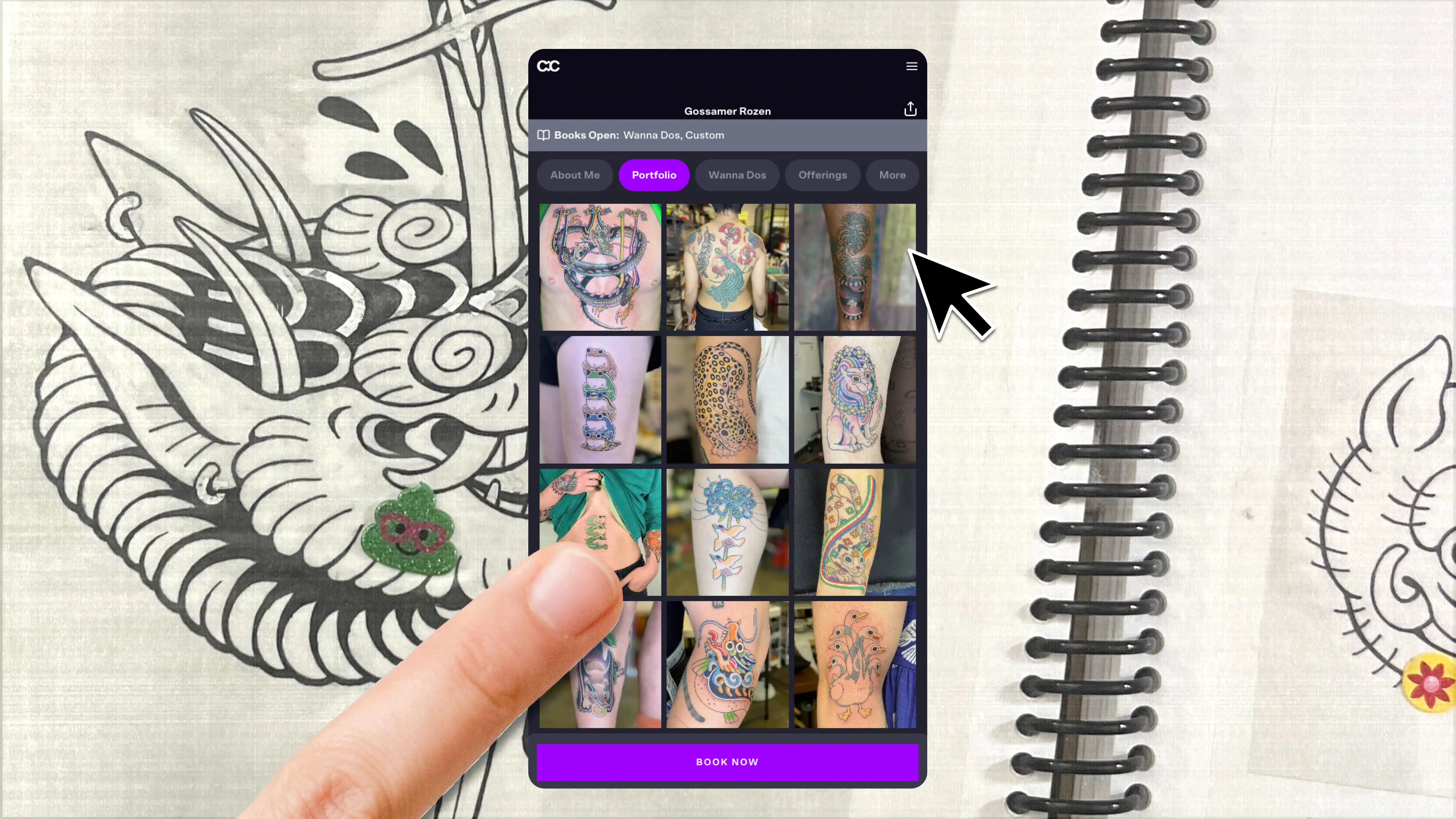
Today an Artist's portfolio lives online. For most Artists that means Instagram, plus whatever booking platform handles requests, deposits, and scheduling.
CO:CREATE Profiles are the next version of this object. The Profile carries an Artist's work. It signals when their Books are Open or Closed. It lets Clients send Booking Requests directly. Same job the front-of-shop portfolio did fifteen years ago, instant and global instead of leather and Walgreens prints.
The portfolio never really changed. Just the medium it lives on.
If you're an Artist looking for a place to host your work, you can build your Profile at cocreate.ink.



Made with tattoo Artists, for tattoo Artists. Run your business your way. Clients find you and book you, no middleman.


Made with tattoo Artists, for tattoo Artists. Run your business your way. Clients find you and book you, no middleman.