
Article
Y2K Nostalgia: Clients Are Requesting the Styles You Grew Up Seeing
Y2K Nostalgia went from cultural throwback to one of tattooing's fastest-growing style lanes. Butterflies, chrome, tribal, barbed wire, reimagined with modern technique. Here's what's driving the demand and how to position yourself.
April 23, 2026
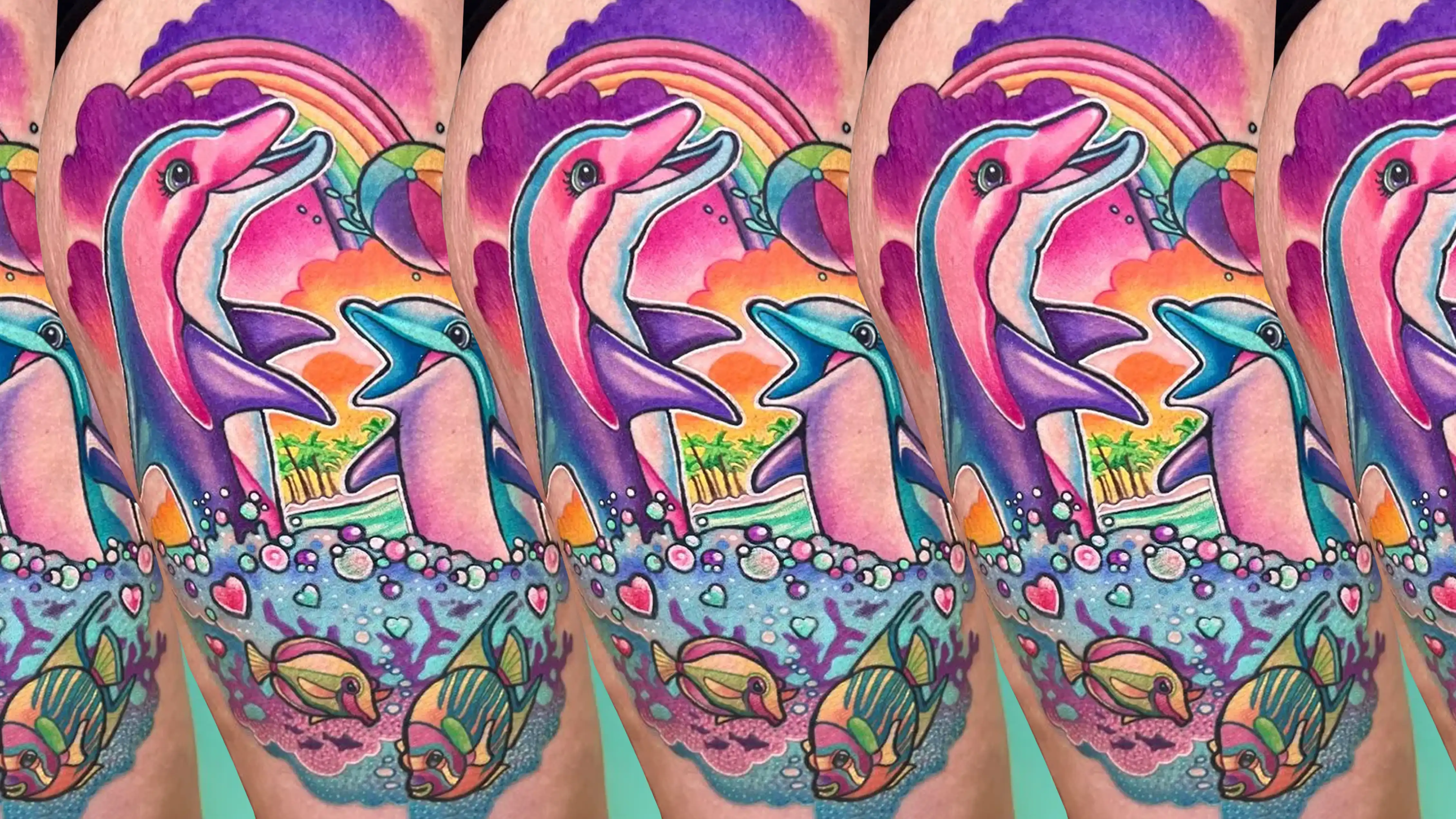
If you've been in a chair this year, you already know: Clients are showing up with Y2K reference boards. Butterflies. Chrome. Tribal. Barbed wire. The styles that defined the late '90s and early 2000s are back in rotation, and Clients are requesting them by name.
But this isn't a straight throwback. Somewhere along the way, Y2K Nostalgia stopped being a cultural callback and became its own lane. In tattooing, Y2K-influenced work has developed into a distinct visual language. Here's what's actually happening with this style and why it matters.
What Y2K Tattoos Look Like Now
Y2K Nostalgia in tattooing pulls from the visual culture of the late 1990s and early 2000s, but it's not a straight copy. The style takes iconography from that era and reinterprets it through a contemporary tattoo lens.
Common elements include butterfly motifs (reimagined, not just reproduced), chrome and metallic effects, barbed wire aesthetics, tribal-influenced linework that's been refined and updated, celestial elements like stars and moons, and heart and flame combinations. The color palette tends toward metallics, pastels, and high-contrast black and grey.
What makes it a distinct style rather than nostalgic reproduction is the intentionality. Artists working in this space aren't copying 2002. They're building on it. The linework is cleaner. The compositions are more sophisticated. The references are filtered through two decades of design evolution.
Why It Went Further Than Most Throwback Trends
The early 2000s had a visual identity that was loud, bold, and body-conscious. Butterfly clips, metallic everything, tribal armbands, chrome graphics. That visual vocabulary translates well to tattooing because it was already designed to be seen on skin, even if it was originally on clothing and accessories.
Social media accelerated the evolution. Artists started posting Y2K-influenced work, Clients started requesting it, and the feedback loop between Artist experimentation and Client demand pushed the style from "throwback" to "established aesthetic" faster than anyone expected.
Coachella 2026 made that clear. Y2K was everywhere at the festival this year. Chrome accessories, butterfly motifs, tribal-inspired body art. When a style shows up at Coachella, it's not underground anymore. It's mainstream demand, and Artists who are already positioned in this lane are the ones filling books from it.
Who's Requesting It
The Client demographic is broader than you might expect. There are Clients in their late twenties and thirties who lived through the original era and feel a genuine connection to the imagery. But there's also a strong contingent of younger Clients who didn't experience Y2K firsthand but are drawn to the aesthetic through social media and fashion.
Both groups tend to be visually literate and design-conscious. They're not picking flash off a wall. They're coming in with curated reference boards, specific color preferences, and opinions about composition. These Clients are fun to work with because they care about the details.
The Artists Redefining the Style
Joana Mena (@itsinkedbyjo) is the most-booked Artist working in Y2K-adjacent styles on CO:CREATE. Their chrome work is the kind that stops you mid-scroll. Metallic effects rendered with a precision and depth that make the pieces look like they're actually reflecting light off skin. When Clients are looking at chrome tattoos, Joana's portfolio is the reference point.
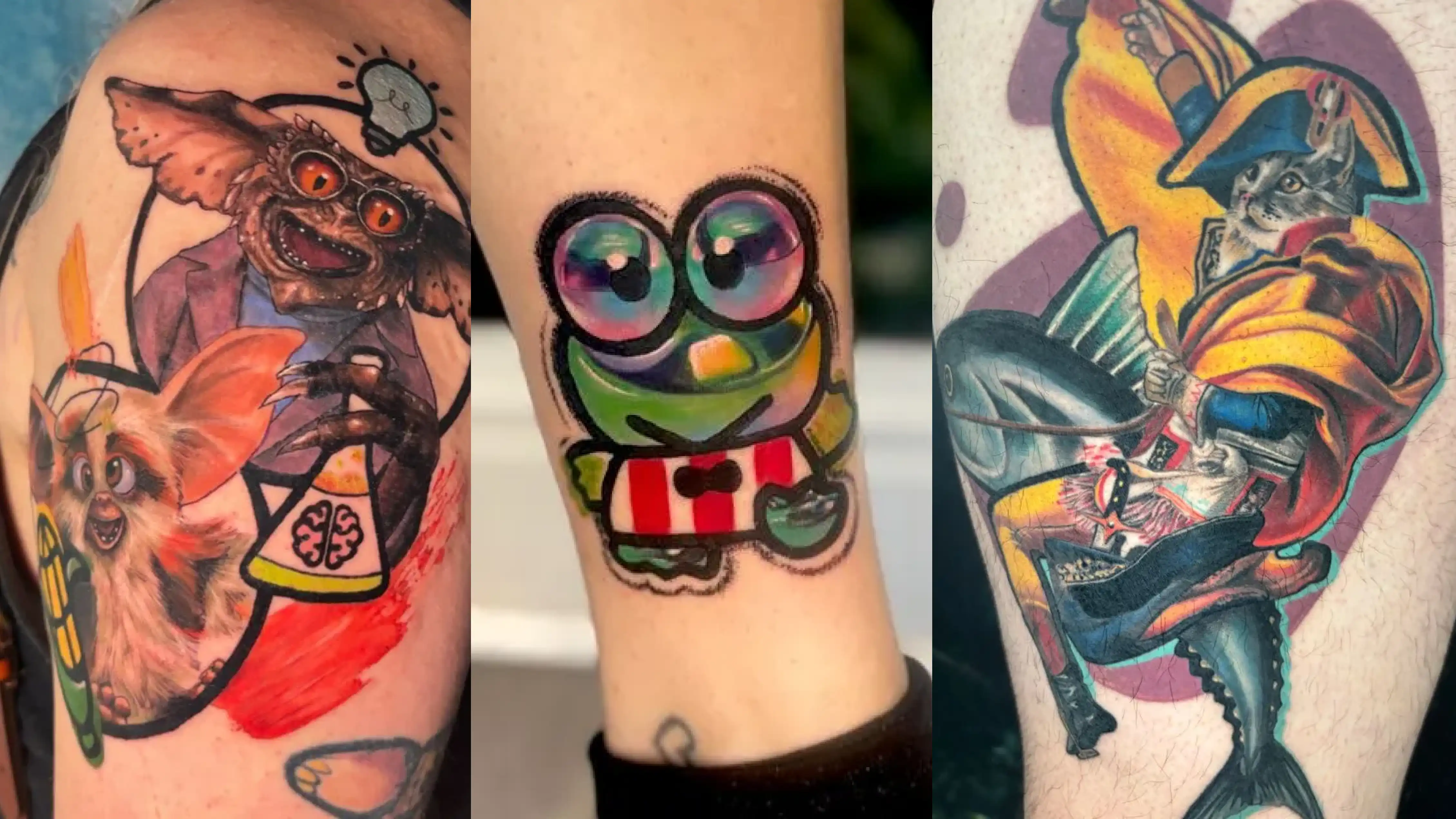
Anthony Williams (@blackvelvettt) brings Y2K Nostalgia into a contemporary context through tribal-influenced work. Their pieces take familiar iconography and execute it with a compositional sophistication that the original era never had. The references are recognizable, but the craft is distinctly current. Anthony is one of the top-booked tribal Artists on the platform.
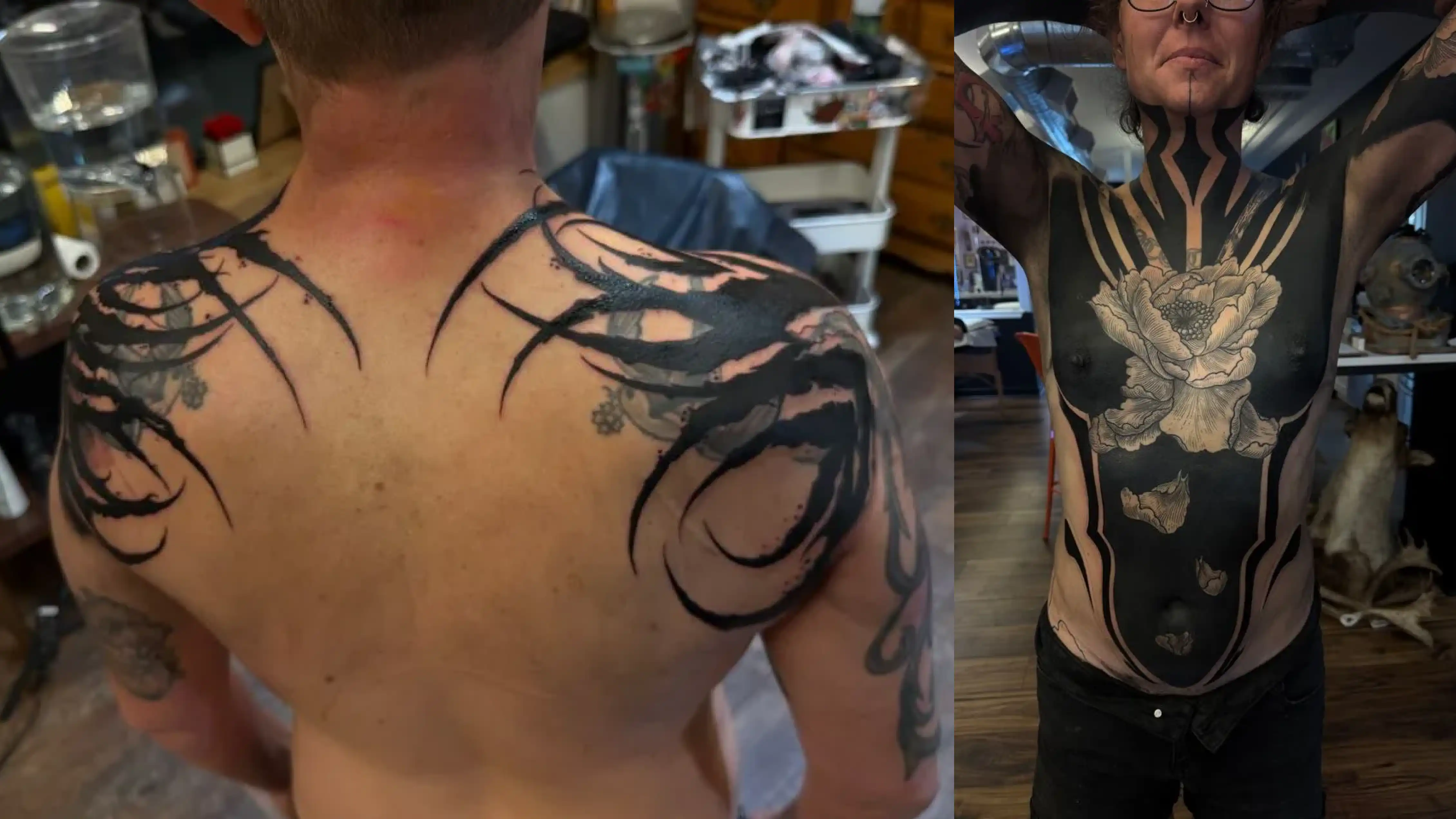
Julie Sas (@mrs_sasink) works the glitter side of the Y2K aesthetic. Their work captures that sparkle-and-shimmer energy that defined the era, translated into tattoo form with clean execution and bold color choices.
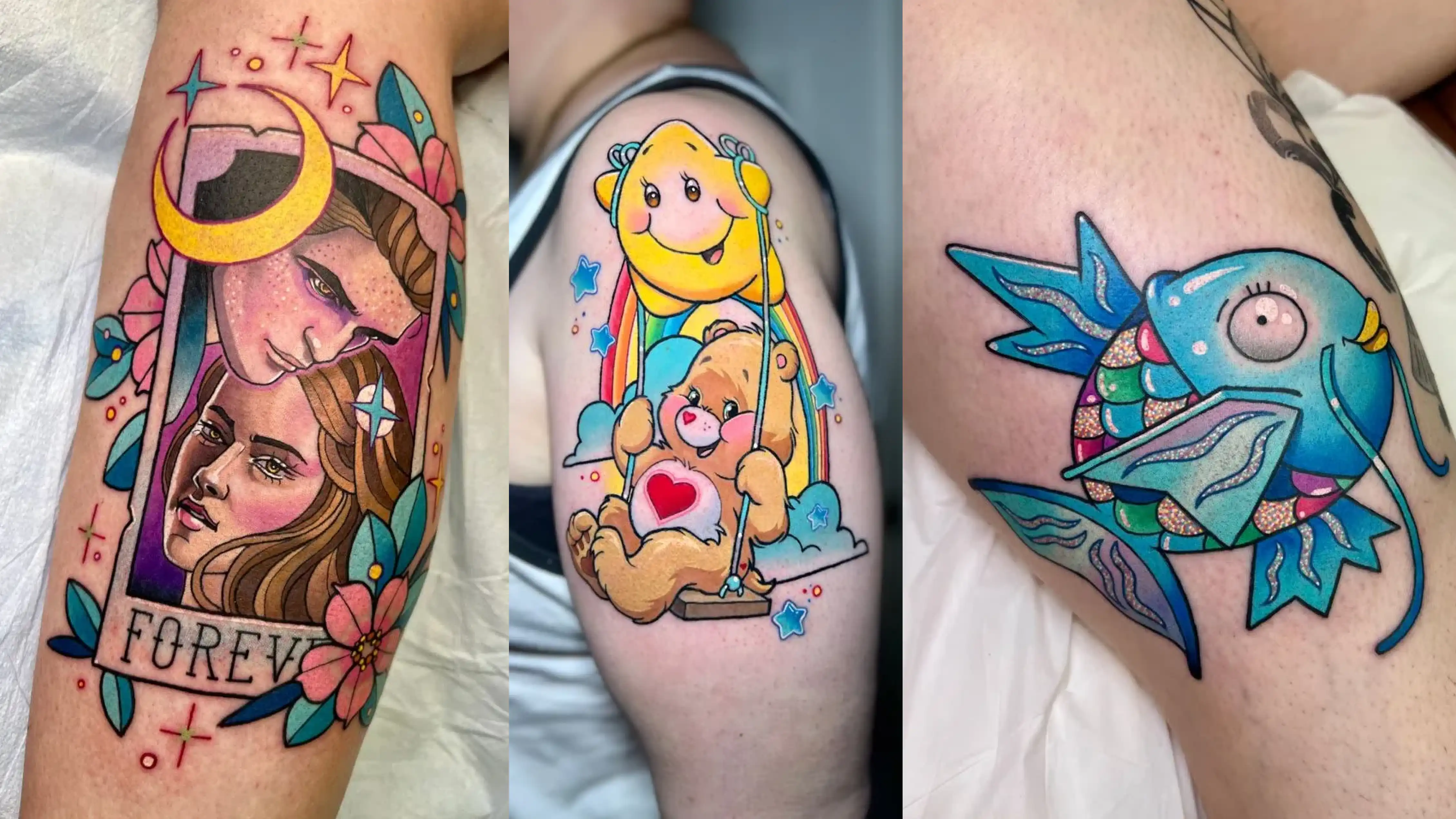
Azize Ngo (@trans.quility) connects Cybersigilism and tribal influences into work that feels rooted in Y2K's darker visual language.
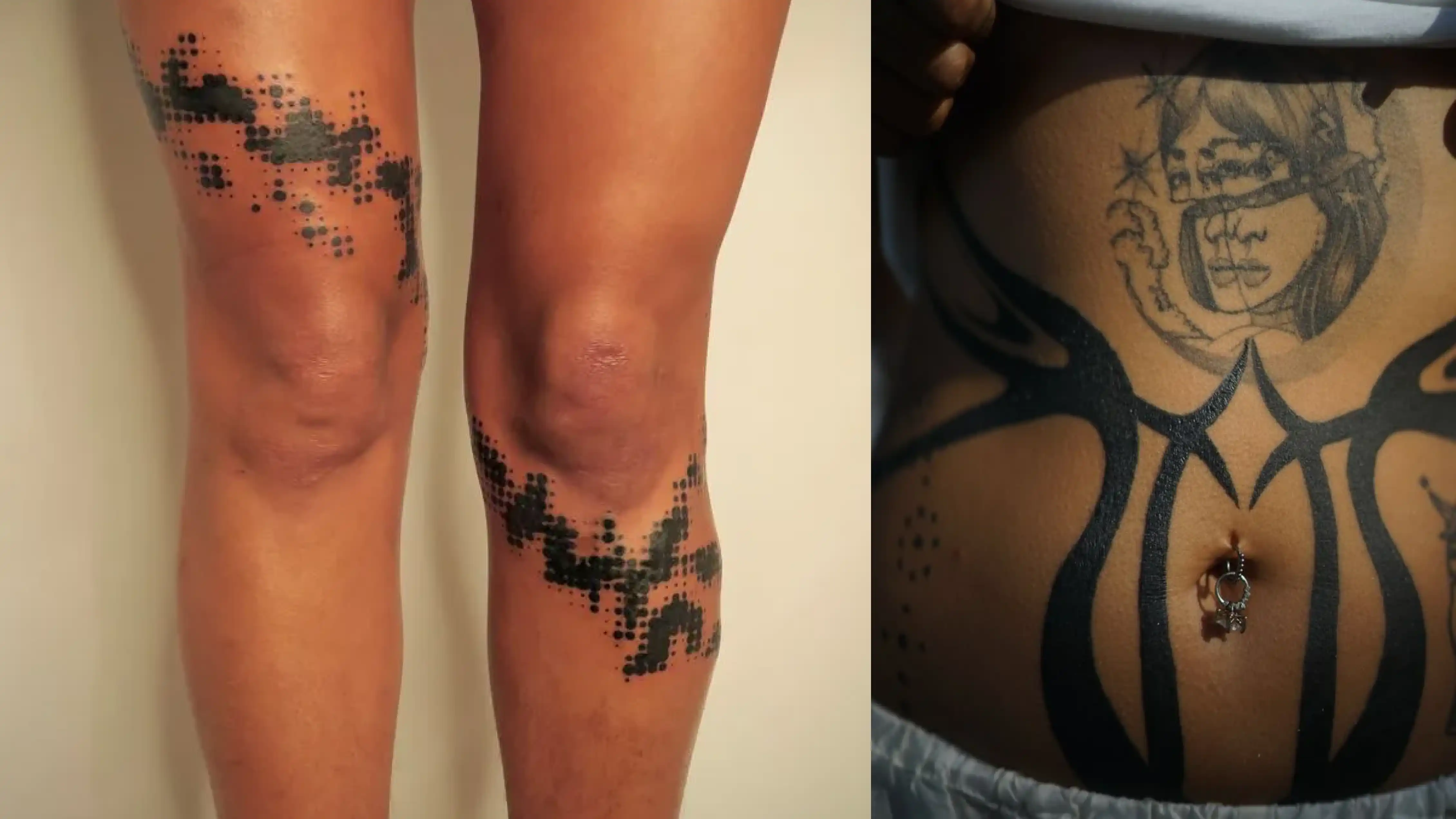
Alexandra Fische (@alexandra-fische) brings a glitter-forward approach, while Anastasia (@lemonwater.tattoo) works across both chrome and glitter with a softer, more ethereal quality that gives the nostalgia a dreamy edge.
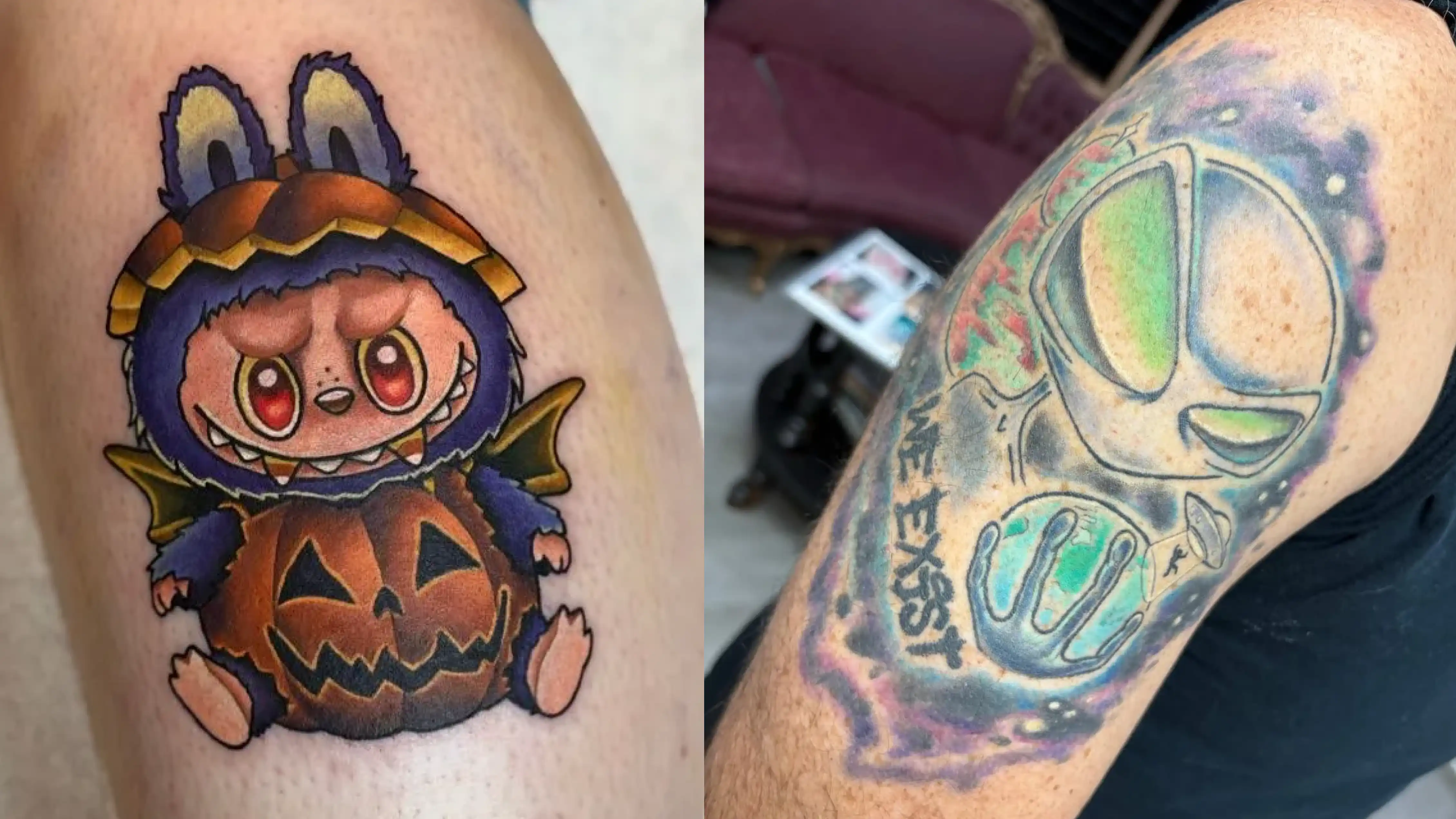
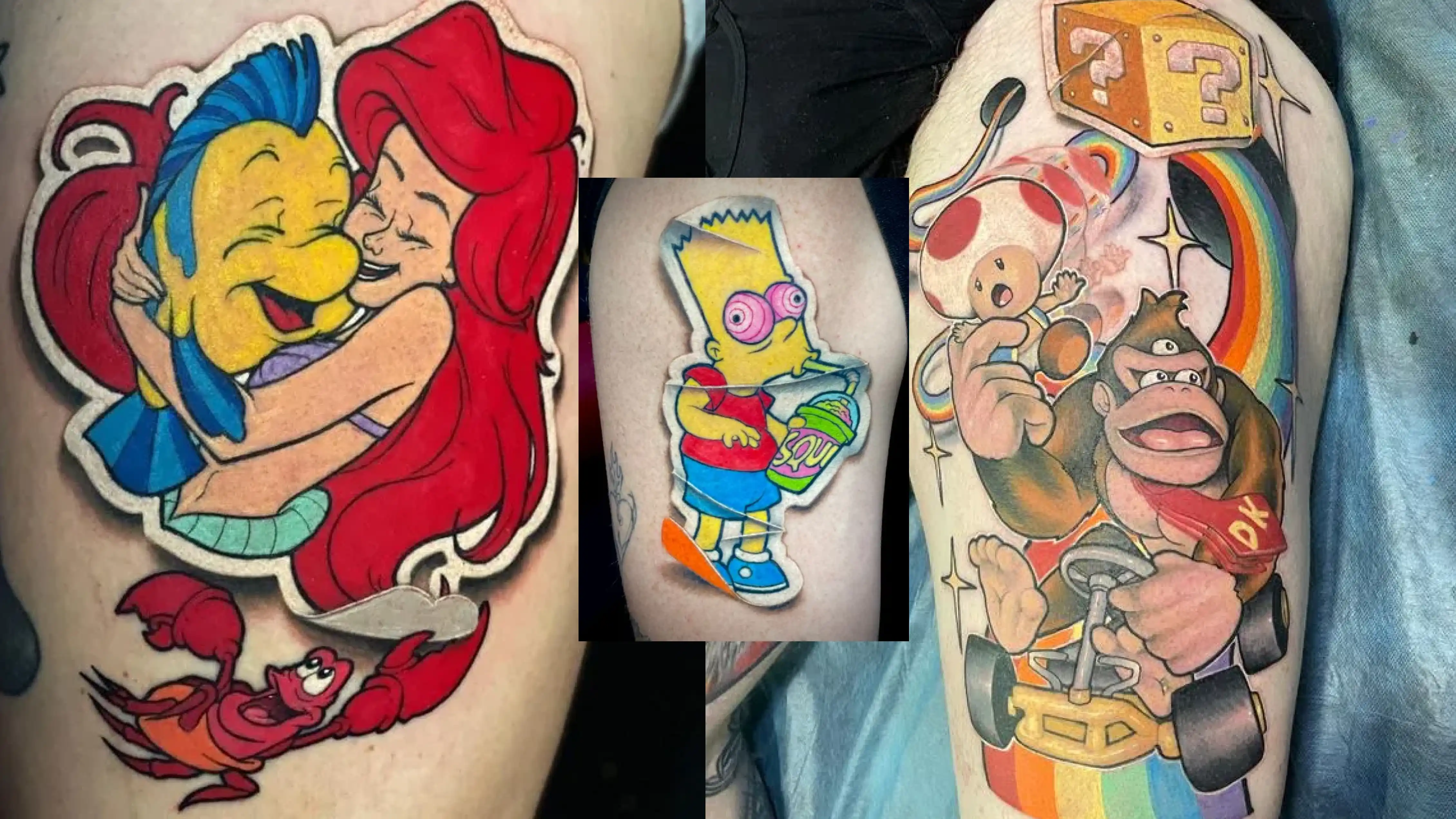
Flipshades (@flipshades) rounds out the crew with glitter-infused work that leans playful.
What This Means for Artists
If you're working in this style, the key is demonstrating that your work is interpretation, not imitation. Clients who want a straight tribal armband from 2001 can get flash sheets for that anywhere. What they're looking for on platforms like CO:CREATE is an Artist who understands the visual language of Y2K and can bring it forward with modern technique and compositional skill.
Your portfolio should show range within the style. Chrome effects and metallic rendering. Butterfly motifs with original compositions. Updated tribal linework that shows technical sophistication. The more you can demonstrate that you're fluent in the aesthetic rather than just referencing it, the stronger your positioning.
On CO:CREATE, style tagging puts your work in front of Clients who are specifically interested in Y2K-influenced Artists. That targeted visibility is what turns portfolio views into Booking Requests.
Is This Trend Built to Last?
The argument for staying power is stronger than most people think. The visual vocabulary is rich enough to support ongoing Artist experimentation. The Client base spans multiple age groups. And the style has already made the transition from "throwback trend" to "established aesthetic" in a way that most nostalgic revivals don't achieve.
Even if the broader cultural conversation moves on from Y2K nostalgia, the tattoo work that came out of it will continue to stand on its own. Good compositions, clean execution, and thoughtful interpretation of visual culture don't expire with a trend cycle.
The Takeaway
Y2K Nostalgia in tattooing has evolved past its throwback origins into a legitimate, distinct style. The Clients requesting it are informed, design-conscious, and ready to book Artists who can interpret the aesthetic with skill and originality.
If this is your work, make sure your profile is set up. CO:CREATE is where they're booking.

Made with tattoo Artists, for tattoo Artists. Run your business your way. Clients find you and book you, no middleman.


Made with tattoo Artists, for tattoo Artists. Run your business your way. Clients find you and book you, no middleman.