
Article
Why Micro Realism Is the Most Requested Tattoo Style Right Now
Micro Realism is gaining ground fast. Photorealistic detail at miniature scale, long waitlists, and Clients who do their homework before booking. Here's what's happening.
March 30, 2026
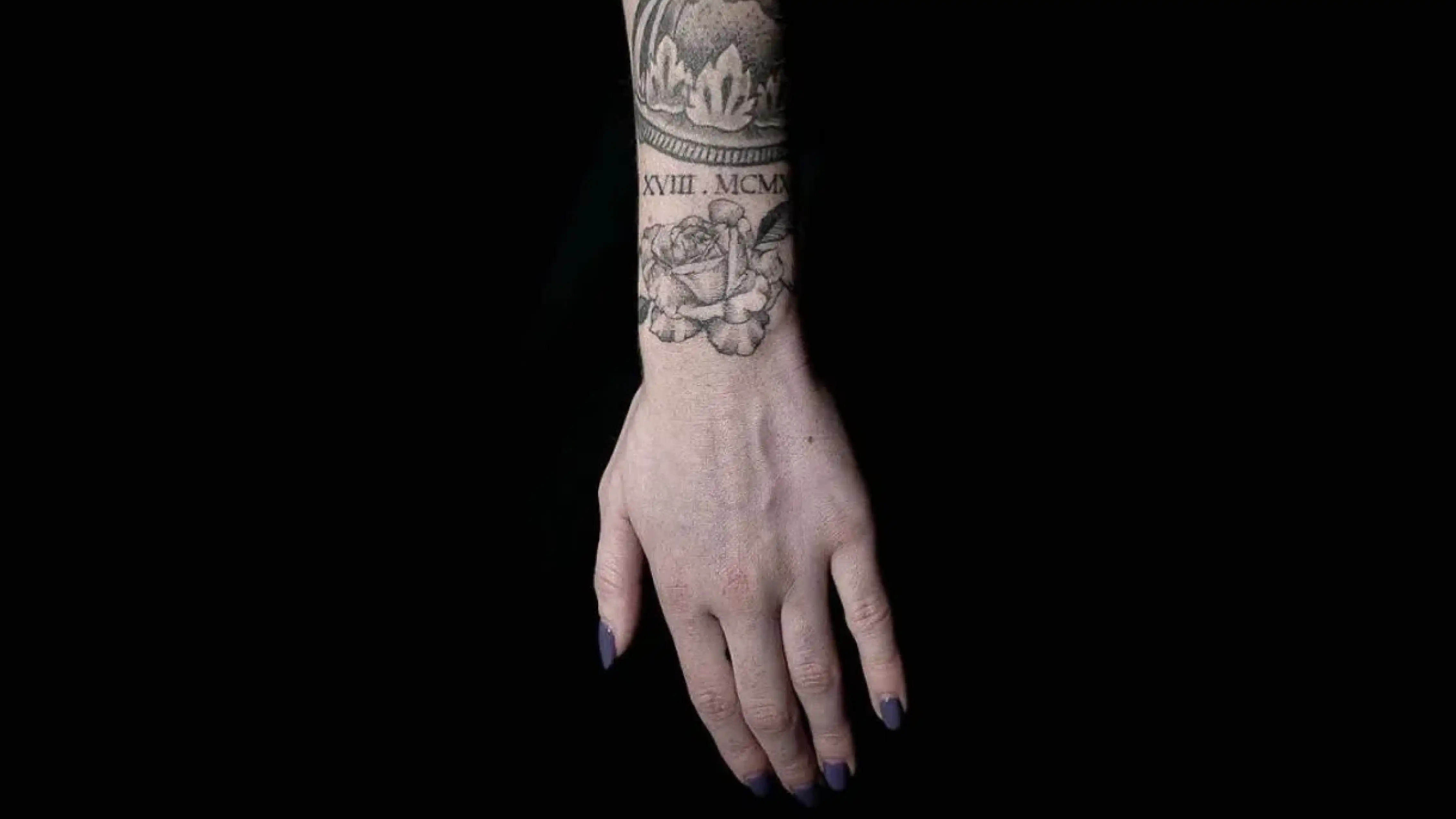
If you've been paying attention to what Clients are searching for, you already know: Micro Realism is everywhere right now. Photorealistic detail at smaller scales. Long waitlists for the Artists who do it well. And a Client base that does more research before booking than almost any other style category.
Here's what's driving it and why it matters whether you're an Artist working in this space or a Client trying to find the right one.
What Micro Realism Actually Requires
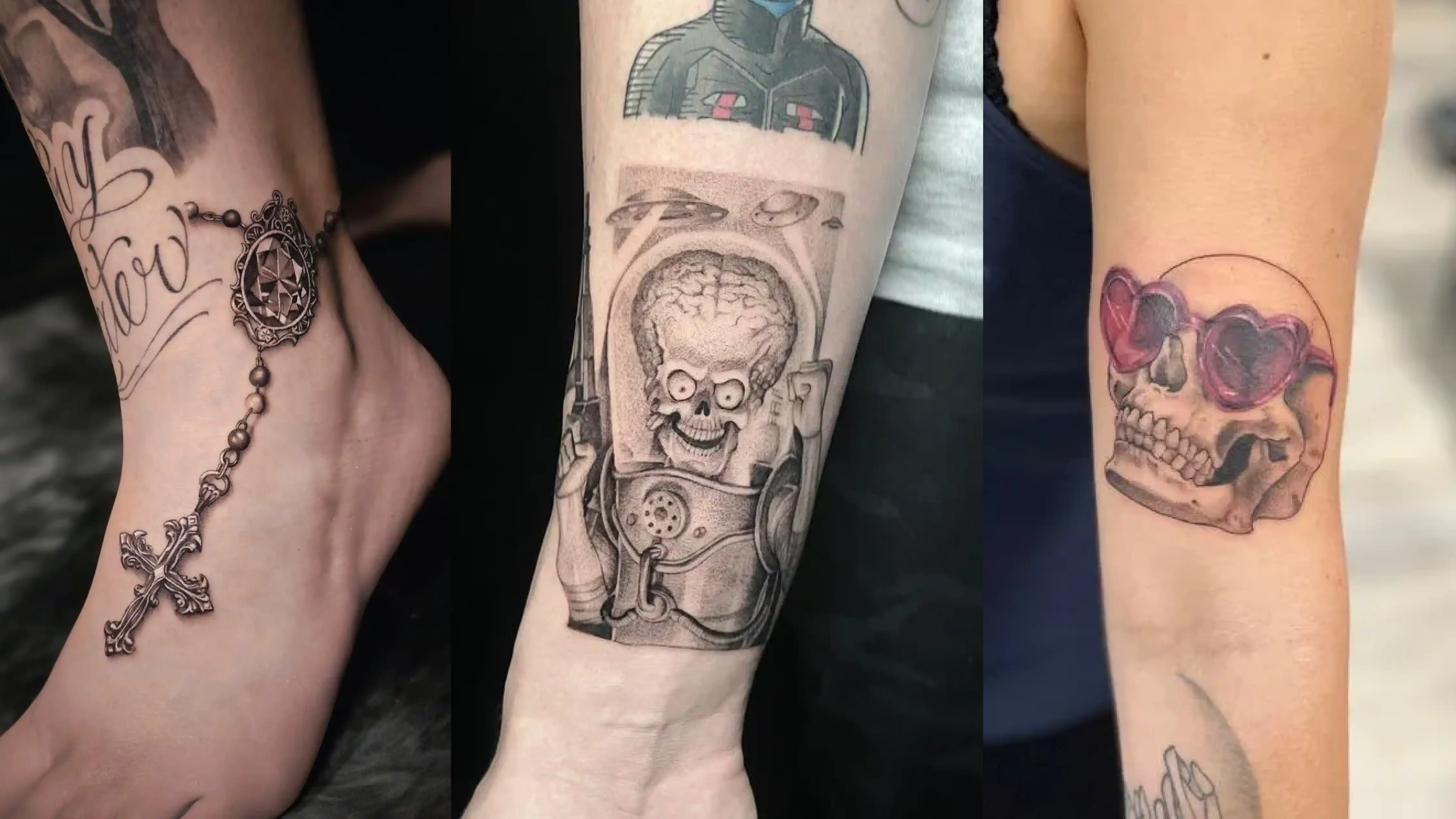
Micro Realism takes the principles of photorealistic tattooing and applies them at a smaller scale. Instead of full-sleeve portraits or large-scale scenes, Artists create detailed, lifelike images in pieces that might fit on a forearm, wrist, or behind the ear.
The technical demands are significant. Single-needle precision. Soft shading gradients at tiny scales. Detail retention in areas where skin texture, movement, and healing all work against you. This isn't realism made smaller. It's a distinct discipline with its own set of challenges and techniques.
Why It's Trending Now
Social media played a major role. Close-up photography and high-resolution feeds reward the kind of fine detail that Micro Realism delivers. A well-executed piece photographs beautifully, which means it performs well on visual platforms, which means more Clients see it, which means more Clients request it. That cycle has been accelerating for years.
The style also overlaps with a broader cultural shift toward smaller, more discreet tattoos. Clients who might not want a full sleeve still want something photorealistic. Micro Realism gives them that option without the commitment of a large-scale piece.
The Client Profile
Clients drawn to Micro Realism tend to be detail-oriented and research-heavy. They're looking at healed photos, zooming in on line quality, and comparing Artists' consistency across multiple pieces. They care about longevity, they ask informed questions about sizing, and they're willing to pay premium rates for proven execution.
This is a style where your healed work portfolio matters as much as your fresh work portfolio. Clients know that tiny details can blur or fade over time, and they want to see evidence that your work holds up.
The Artists Leading This Space
Joana Mena (@itsinkedbyjo) is one of the most-booked Micro Realism Artists on CO:CREATE, and their profile is a blueprint for how to set up for success. A loaded Wanna Do section with themed designs that Clients can book without a custom consultation. Ten FAQs answered. A style policy that says exactly what they will and won't take on (color realism and surrealism only). Video content. Clear policies covering everything from deposits to cancellations to late arrivals. When a Client lands on this profile, every question they'd normally send a DM about is already answered.
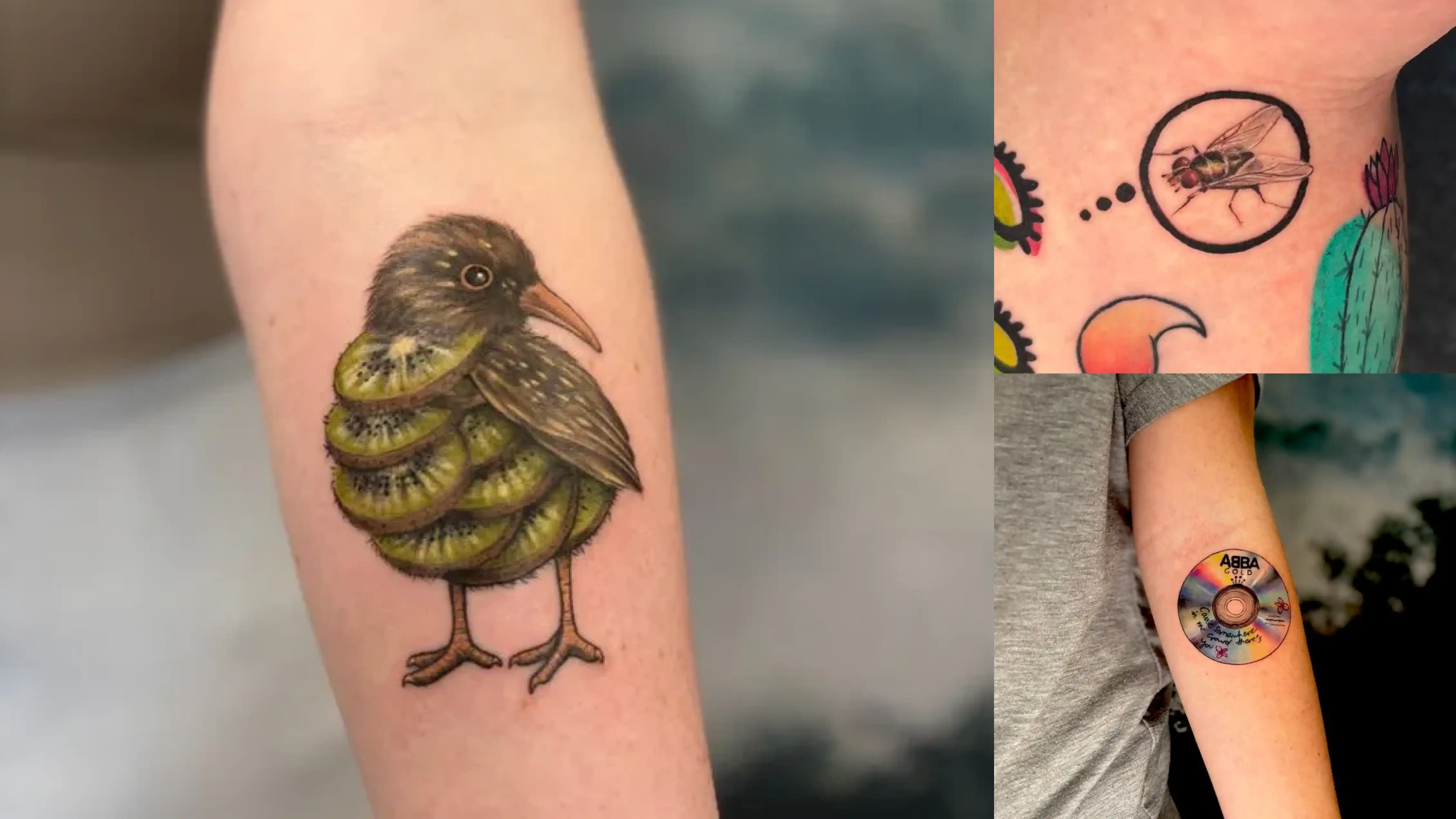
Mariana Rimoli (@mariana-rimoli) does something in their portfolio that every Micro Realism Artist should be doing: session counts and healed tags on individual pieces. Captions like "Done in 3 sessions" and "1 year Healed" give Clients real information about what a project actually involves. Their style list is pure realism (Micro Realism, Hyper Realism, Photo Realism). No filler styles. That focus plus the portfolio documentation is a strong combination.
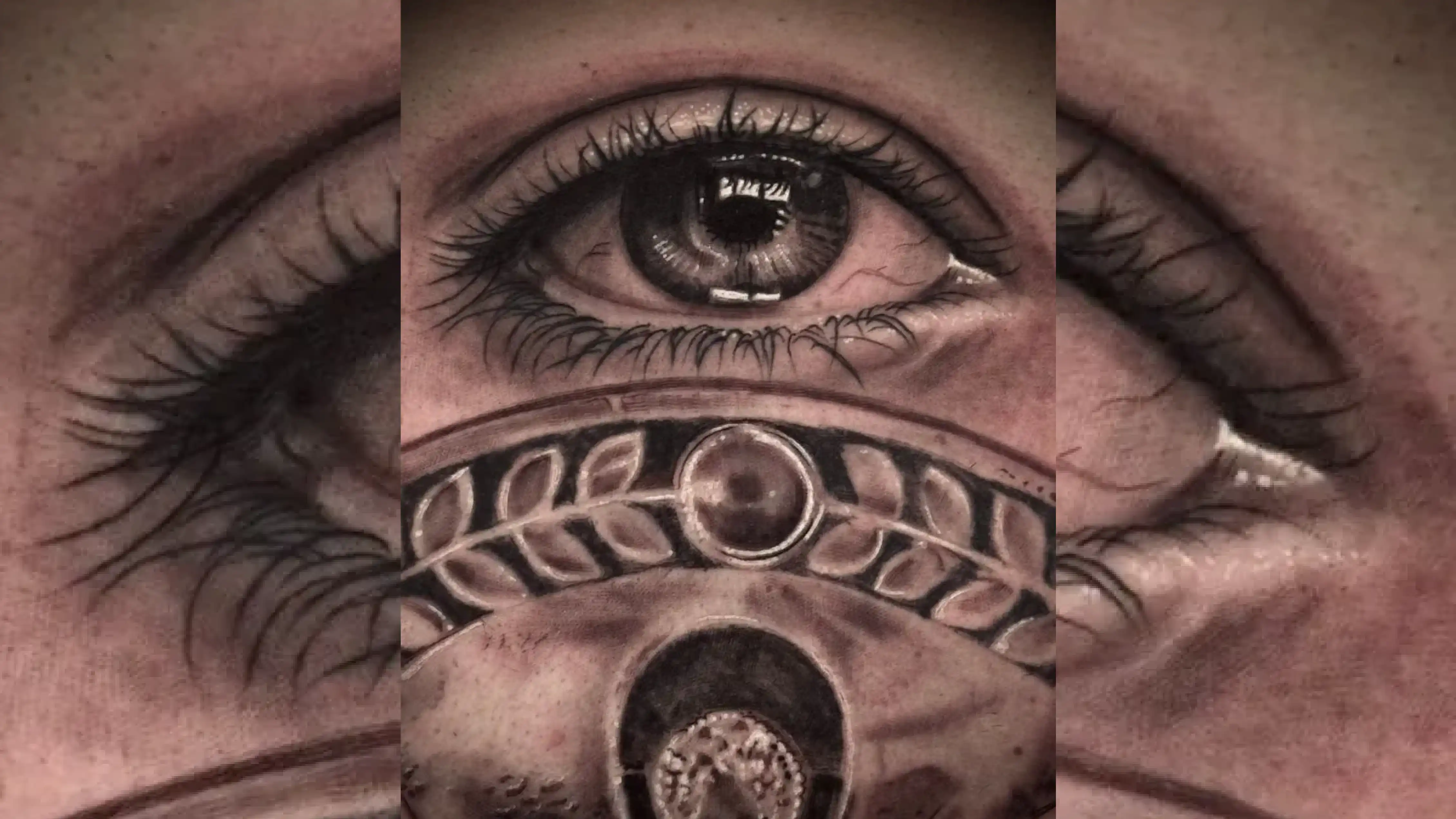
True Davis (@true-art-ink) takes a custom-only approach. No Wanna Do Designs. Three styles listed. A video intro that leads with their story. For an Artist at True's level ($300/hr, strong day rates), the profile signals that every project is a conversation, not a quick pick-from-the-menu booking. The Melanated Skin specialization is also worth noting. That specificity matters to Clients who need it and it's the kind of detail that builds trust immediately.
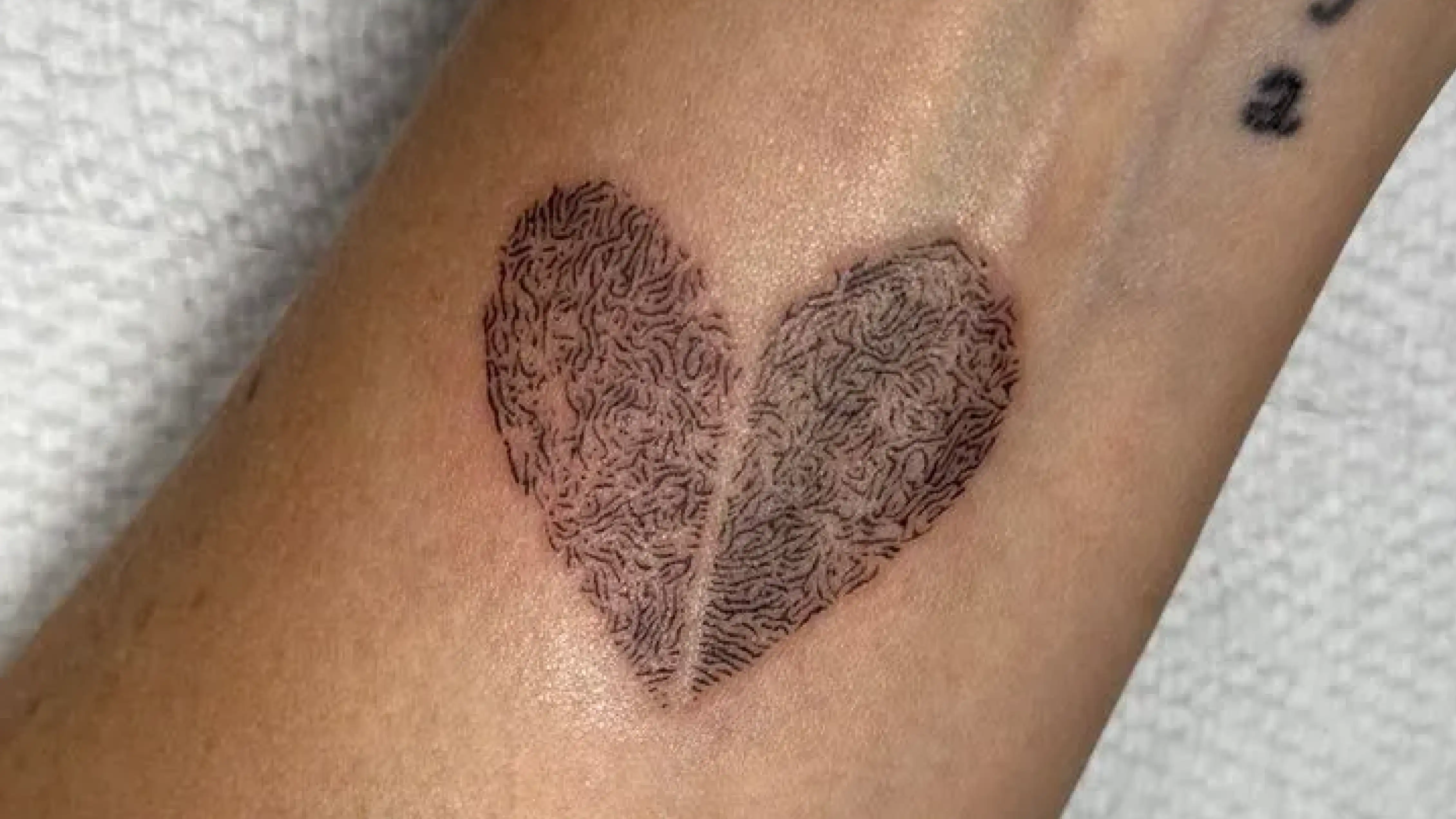
Beatrice Crow (@beatricecrow) brings nearly two decades of experience (tattooing since 2008) and a personal bio that leads with identity and values. Their Respect policy is unique on the platform: it sets the expectation that everyone in the space treats each other well. For Clients who care about the environment they're walking into, that kind of signal can be the deciding factor.
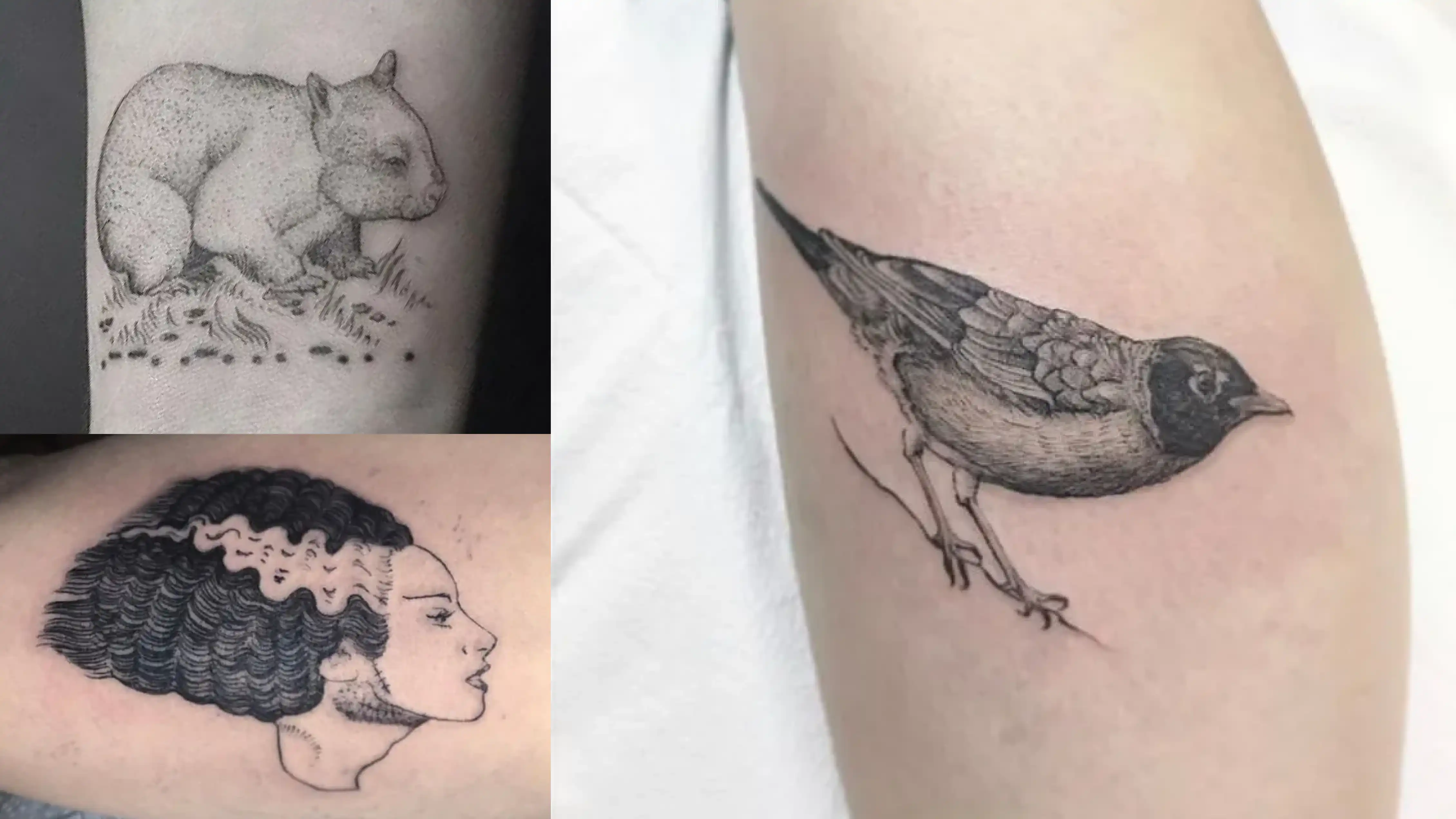
Jake Barney (@jakebarneyfromstatefarm), SLOWDEATH (@ogslowdeath), Ash Kiralynn (@ashlestabber) are also building traction in this space on CO:CREATE. SLOWDEATH brings the longest track record of anyone here (tattooing since 2004) and lists Afro Americana alongside their realism work. Ash works out of the same shop as Joana (Formula Tattoo in Addison, TX) and is building a book that leans into Micro Realism and Victorian goth aesthetics.
What This Means If You're an Artist
If this is your specialty, your portfolio needs to do two things: show the detail and show the healing.
Fresh Micro Realism work is impressive. Healed Micro Realism work is what builds trust. If you can show side-by-side fresh and healed photos of the same piece, that's one of the strongest portfolio moves in this style. Clients are specifically worried about how small details hold up, and showing them removes the biggest objection before they even ask.
One small thing that goes a long way: put a coin or something for scale next to the tattoo when you photograph it. It sounds simple, but it stops the scroll. When someone can see a penny sitting next to a photorealistic portrait, the craft speaks for itself in a way that no caption can.
Look at how the Artists above are using their CO:CREATE profiles. Wanna Do Designs give Clients a way to book without waiting for a custom consultation. FAQs and clear policies build trust before the first message. Session counts and healed tags on portfolio pieces give Clients real information about what a project involves. The Artists getting booked consistently aren't just posting good work. They're making the booking process easy and the expectations clear.
And be honest about your healed results. Not every Artist doing Micro Realism right now is applying it correctly, and Clients are noticing when work doesn't age well. The Artists building the strongest reputations aren't the ones with the most impressive fresh photos. They're the ones whose work still looks right a year later.
Having the Sizing Conversation
Not everything works at every scale. Some references need to be sized up to retain detail. Some details that look sharp in a digital image won't translate to skin at the size a Client wants.
This is one of the most important conversations you'll have during a consultation. When you tell a Client a piece needs to be 20% larger to hold the detail long-term, you're not upselling them. You're protecting your work and their investment. The Artists who build the strongest reputations in Micro Realism are the ones who have that conversation honestly every time.
Same goes for touch-ups. Micro Realism at very small scales may need touch-up work down the line. Setting that expectation upfront builds trust and prevents frustration later. Clients respect honesty about longevity way more than they respect being told what they want to hear.
The Takeaway
Micro Realism is gaining ground because it delivers something Clients want: photorealistic artistry at a scale that fits their lifestyle. The technical barrier to entry is high, which means the Artists who can execute it consistently have a real competitive advantage.
If this is your work, make sure your profile is set up. CO:CREATE is where they're booking.

Made with tattoo Artists, for tattoo Artists. Run your business your way. Clients find you and book you, no middleman.


Made with tattoo Artists, for tattoo Artists. Run your business your way. Clients find you and book you, no middleman.